ARMET HOUSE
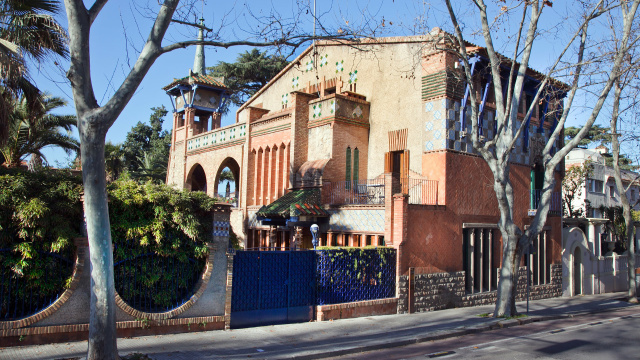
A modernist gem in Sant Cugat features intricate facades, Gothic elements, a watchtower, windmill, and water tank, showcasing unique architectural artistry.
The first modernist contribution would come from the hand ofthanks to the architect FERNANDO ROMEO Y RIBOT, who in 1897 designed a house for a Barcelona vacationer named Manuel Armet, in the South Eixample. It was built in 1898. The house is privately owned and occupies a plot that borders three streets: the highway, now Avenida Avinguda de GraciaGràcia, calle Bergara and Carrercalle de Barcelona.
It is a ground-floor house with 2 floors and is built on the street line and attached to the neighbor (Jover house) on the north side, and with a garden to the south that overlooks Avingudaenida de GraciaGràcia. On the corner, between Bergara and Barcelona, stands the windmill and the water tank by the same architect (they were built in 1899). At the end of the 19th century there was no domestic water supply and each house had to procure its own. Therefore, the house has a well with a mill extraction system.
This construction shows the influence of modernist Barcelona buildings such as Casa Martí, which Puig and Cadafalch had just built two years ago. Ferran Romeo, combines for the first time the use of brick, stone, ceramics and wooden structuresmaterials. The complex conception of the facades, the interplay of the different volumes, the formal diversity of the openings and the chromaticism achieved by the combination of the work seen with the glazed ceramic, really stand out. With all these characteristics and the use of Gothic elements such as the lintels onf the windows, the historicist influence (within modernism) of Puig i Cadafalch is demonstrated.
ThusThus, we have that the volume and composition are totally asymmetrical, very clear, and everything is highlighted by the presence of details and highly elaborate and imaginative constructive solutions.
As an example:
The architraves of the second floor
The frieze of majolica tiles that follows the volume of the facades
The combination of majolica tiles (ceramics with a special glazed finish. Terracotta is the base, and a metallic glaze is applied to it) and plaster to the railings.
The fence formed by inverted arches.
On the facade facing the Avinguda de GraciaGràcia highlights the second floorsecond-floor balcony and a Gothic lintel.
In its interior there is the whole set of tiling, carpentry and wrought ironwork that forms the ornamentation of the modernist houses.
Three singular bodies stand out from the rest of the general structureDel conjunto destacan tres cuerpos singulares:
The watch-out tower on the main facade, with a conical “xapitell” (top of the upper part of the turret) covered with broken-style ceramicsla torre-mirador en la fachada principal, con xapitell (remate de la parte superior de la torreta) cónico recubierto de cerámica de trencadís
The cylindrical tower containing the windmillla torre cilíndrica que contiene el molino de viento
The water tank, raised on brick pillars.
In front of Barcelona Street there are also the stables and the old cellars, of simpler construction.
This house is the most relevant example of modernism in Sant Cugat, along with Lluch’s house.
Monastery museum
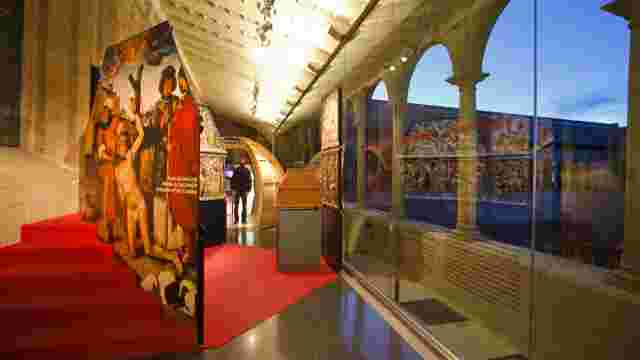
Explore interactive exhibits showcasing Benedictine life, medieval splendor, and its decline through models, touch screens, and audiovisuals.
Monastery Gardens
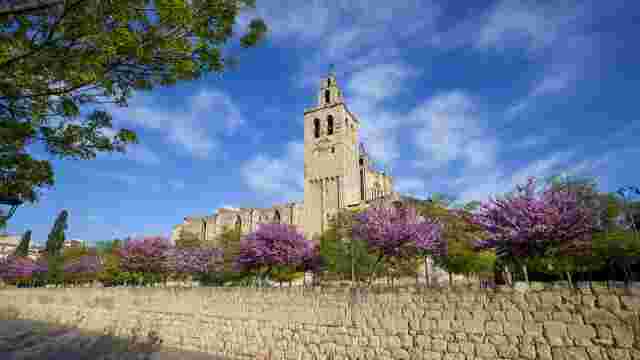
A vibrant hub with panoramic views, nearby gardens host leisure activities, offering a lively meeting spot for tourists.
Torrent de Ferrussons Park
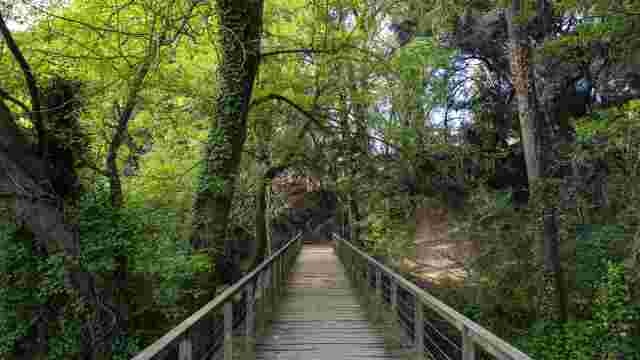
Situated at the highest point of Coll Favà, it offers stunning views and a natural setting with shaded paths, ideal for outdoor activities.
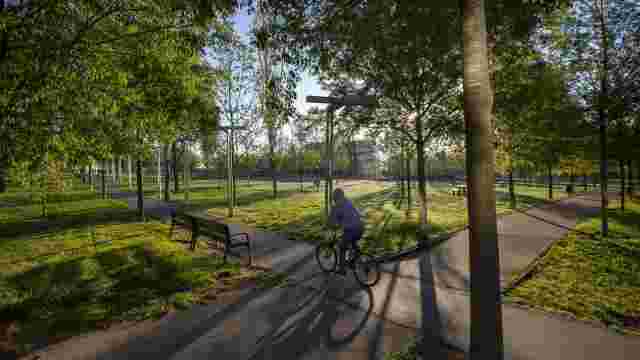
La Pollancreda Park
This spacious park features poplars, a stream with bridges, a large play area, and facilities for cycling, ball games, petanque, and skating.
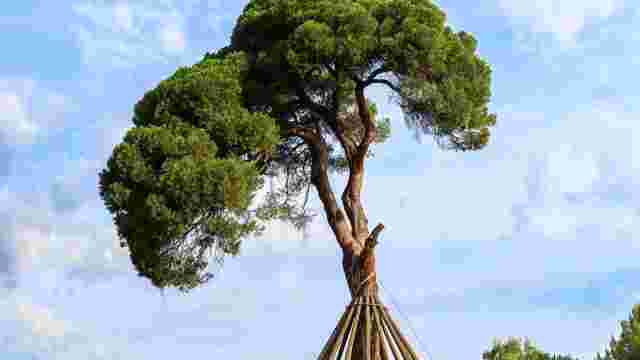
Pi d’en Xandri
The Pi d’en Xandri is considered another of the symbols of the city. It is a pine tree over 250 years old and 23 metres high.
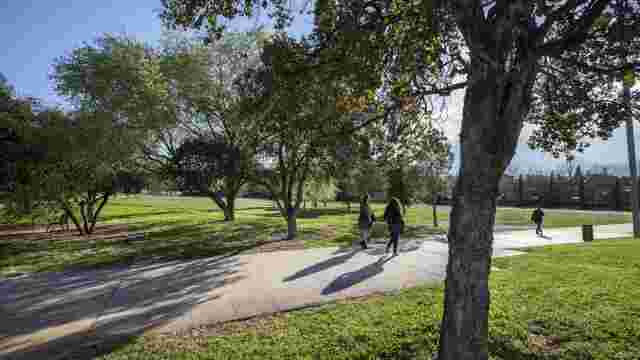
Arborètum Park
A scenic path leads to a park showcasing diverse Catalan trees, from lowlands to Pyrenees, and includes a children's play area.
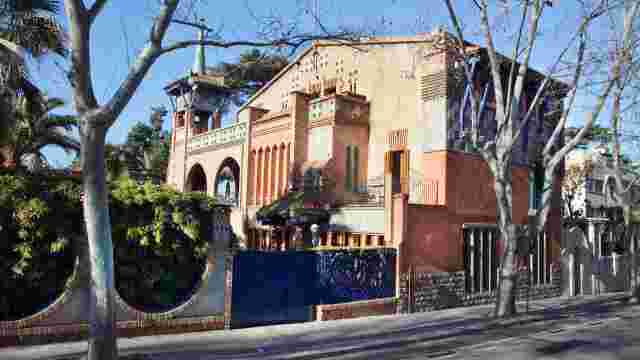
ARMET HOUSE
A modernist gem in Sant Cugat features intricate facades, Gothic elements, a watchtower, windmill, and water tank, showcasing unique architectural artistry.
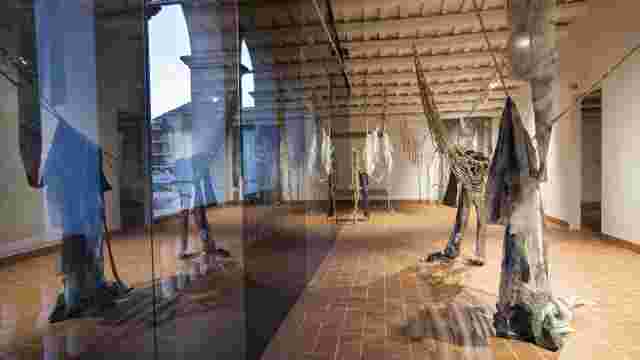
Grau-Garriga contemporary textile art center. Cal Quitèria
Spain's first contemporary textile art hub showcases dynamic exhibits and offers workshops and creative residencies for immersive cultural experiences.
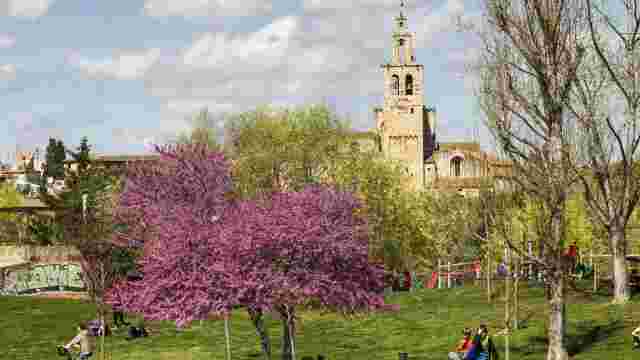
Parc Ramon Barnils
A spacious green area with meadows, walking paths and children's play areas.
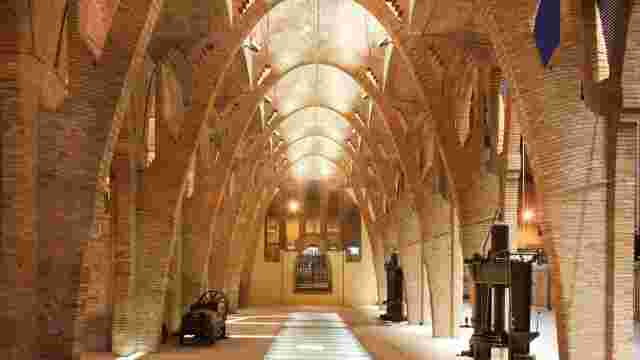
Modernist Wine Cellar
Explore a unique architectural gem showcasing wine history, production, and the genius of architect Cèsar Martinell.
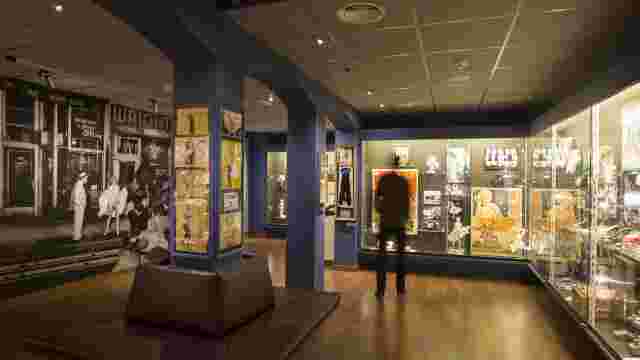
Cal Gerrer – House Museum. Marilyn Monroe
Explore Marilyn Monroe's life through personal items, film recreations, and Europe's largest library on her, plus art and ceramics from local families.
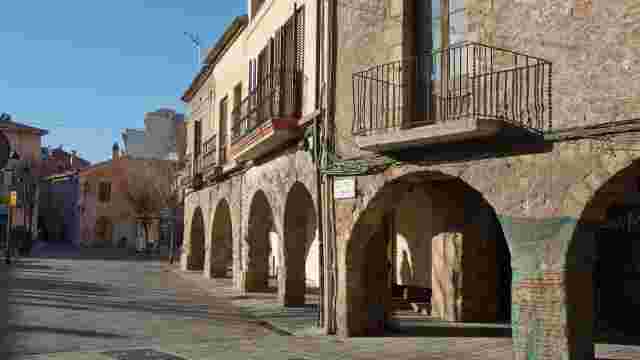
THE ARCADES OF CARRER MAJOR
They are one of the most charming corners of the historic centre of Sant Cugat.
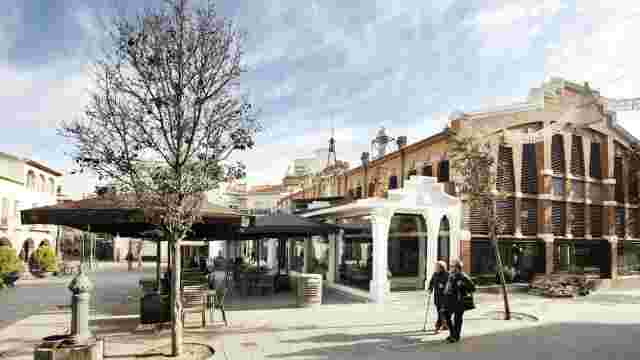
Old Market
Located right in the heart of the city, it is housed in a unique Modernist building that forms part of Sant Cugat’s heritage.
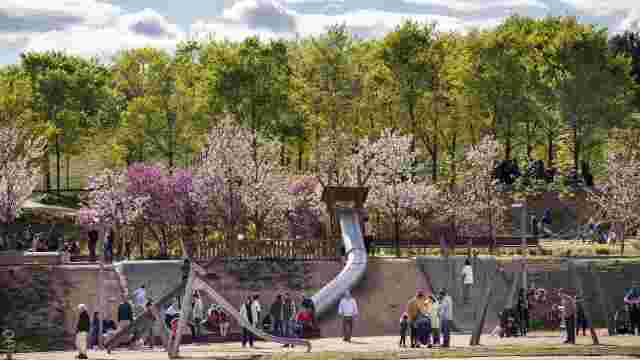
Turó de Can Mates Park
The city's largest park offers stunning views and features giant slides for children, surrounded by holm oaks and Mediterranean shrubs.
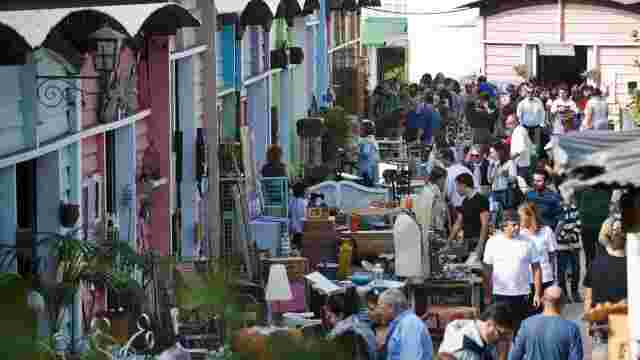
Mercantic
A vibrant market village with antique dealers, colorful shops, live music, Spain's largest second-hand bookshop, art workshops, and diverse food options.
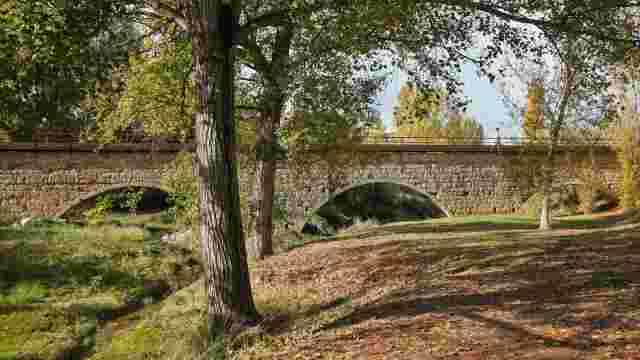
Can Vernet aqueduct
A 14th-century Gothic aqueduct, set in a scenic park, offers a glimpse into historical water transport to a monastery and village.
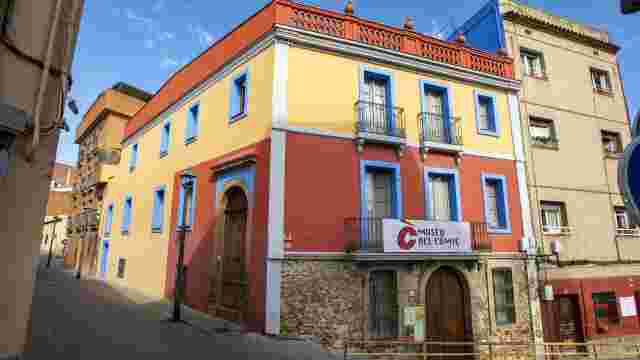
Museum of Comics and Illustration of Sant Cugat
Explore the evolution of comics through original works in a historic mid-19th century building, showcasing 135 years of graphic narrative.