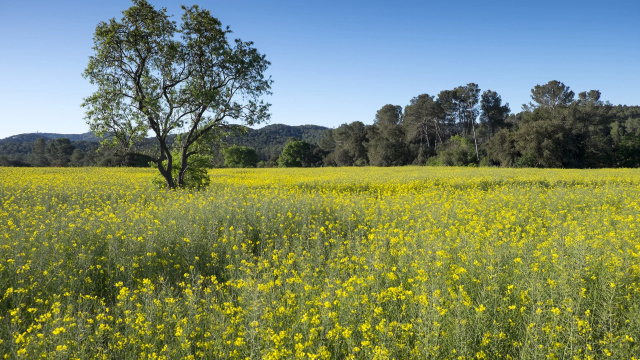
COLLSEROLA NATURAL PARK
A vast park ideal for walking, cycling, and horse riding, featuring protected reserves and part of the Natura 2000 network. Respect its fragile ecosystem.
The great natural treasure of Sant Cugat is Collserola, a vast park with endless possibilities to enjoy nature and a healthy life. A paradise for walkers, cyclists, runners and horse riders. With over 8,000 hectares, it is considered the biggest metropolitan park in the country.
Sant Cugat is the city with the largest area included in the Serra de Collserola Natural Park, with 44%. It covers two partial natural reserves: the Font Groga and the Rierada-Can Balasc. The Park is a protected area and forms part of the Plan for Spaces of Natural Interest (PEIN) and the European network of natural areas Natura 2000.
Remember that it is a fragile ecosystem, with regulations that must be respected.
COLLSEROLA NATURAL PARK
A vast park ideal for walking, cycling, and horse riding, featuring protected reserves and part of the Natura 2000 network. Respect its fragile ecosystem.
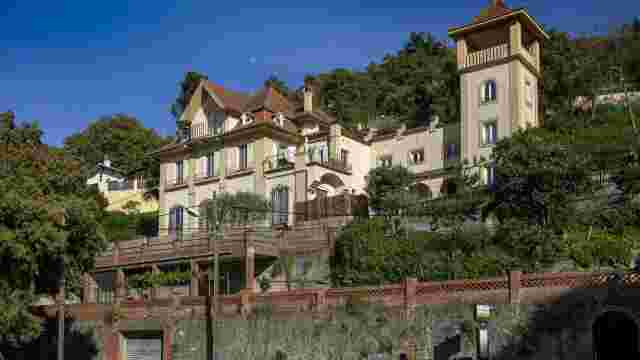
Sanatori del Fumet
A villa with central-European architecture, featuring terraced gardens with pines and holm oaks, originally intended as a tuberculosis sanatorium.
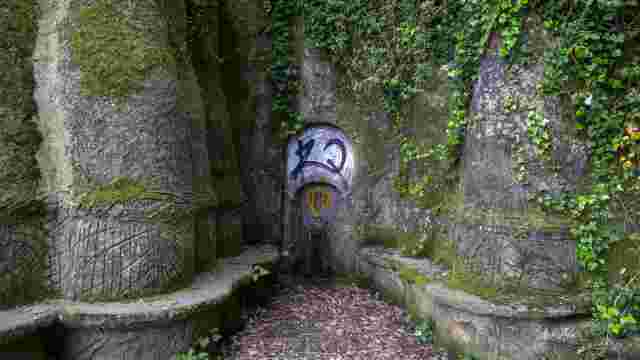
Font de la Rabassada
Stone fountains with Gaudí-like design, set in a wide, flat clearing, offering a unique architectural attraction for visitors.
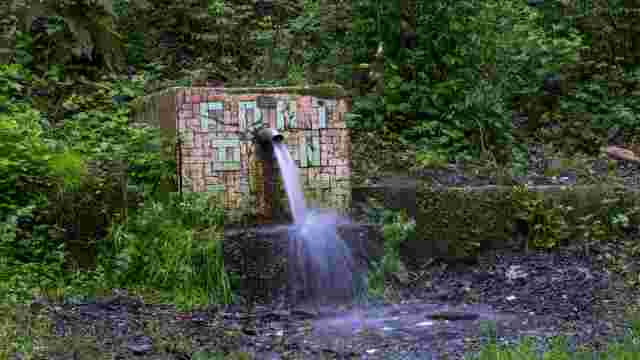
Font d'en Sert
A popular hiking stop in Collserola, known for its vibrant mosaic and abundant spring water.
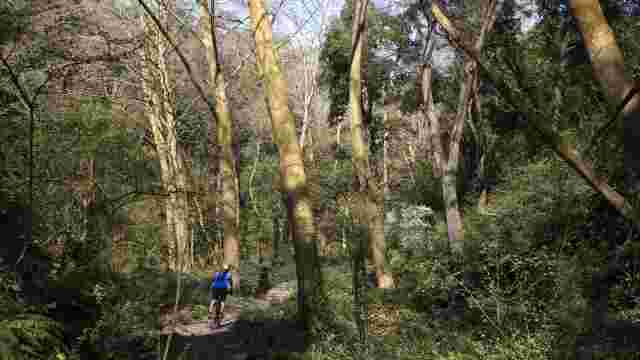
Font Groga Nature Reserve
This area features exotic flora and a unique humid ecosystem, with rapid brooks and scenic views between Tibidabo and Sant Cebrià, ideal for nature lovers.
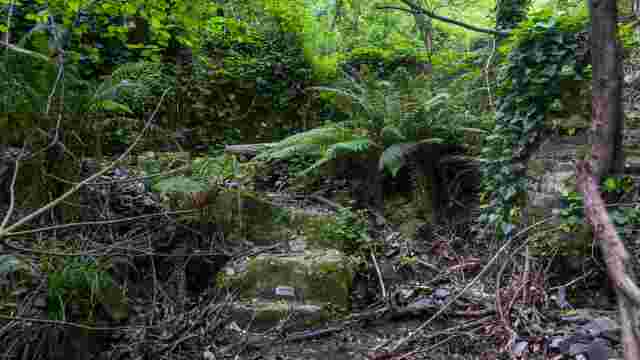
Font de l'Estrangulador
A lush area with two spouts offering year-round water flow at 10°C, providing a serene spot for visitors.
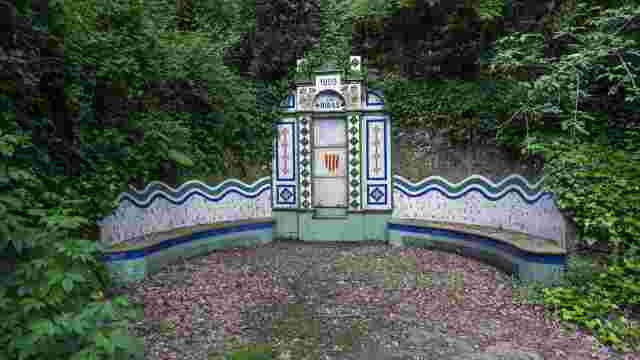
Font d'en Ribes
A verdant spring with iconic 1909 modernista tilework, beautifully remodeled in 1995, perfect for tourists seeking nature and art.
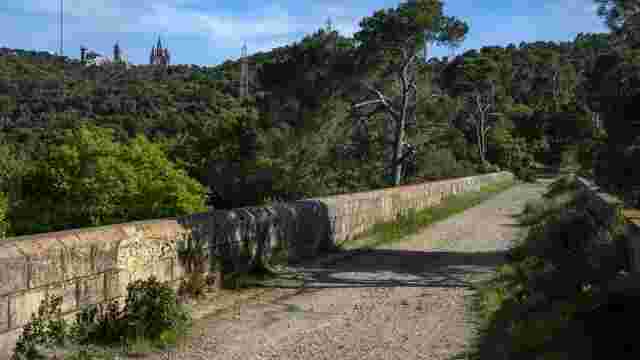
Viaduct of Can Ribes
A historic 16-arch bridge over La Rabassada, offering scenic views and a glimpse into early 20th-century architecture.
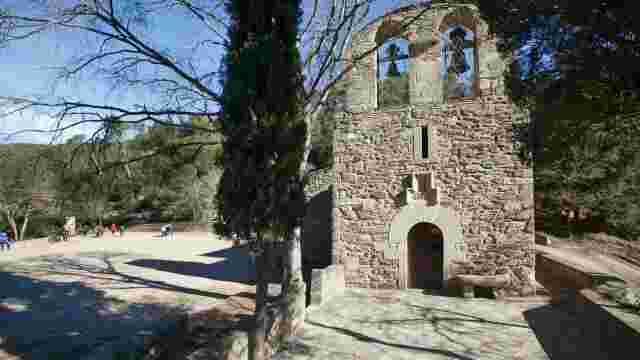
Sant Medir
A modified Romanesque church features a Gothic relief, barrel-vault, and bell-gable. It's famous for a traditional gathering on March 3rd.
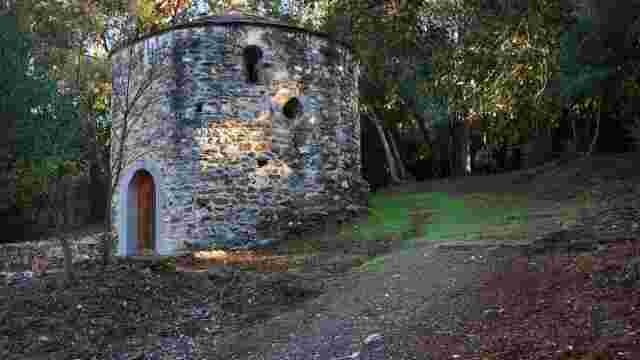
Church of Sant Adjutori
A 12th-century Romanesque site with a unique circular design and a dome of concentric stone rings, offering a glimpse into medieval architectural innovation.
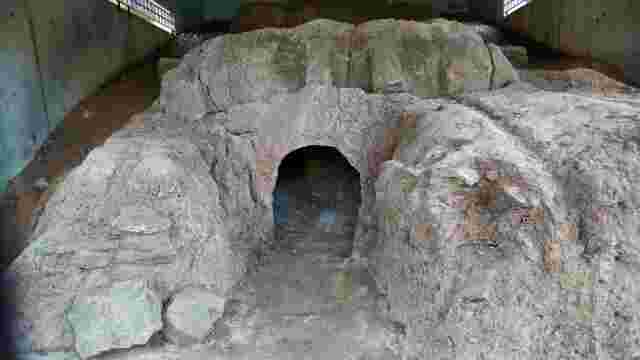
Kiln of Sant Adjutori
A clay kiln from classical antiquity, possibly of Roman origin.
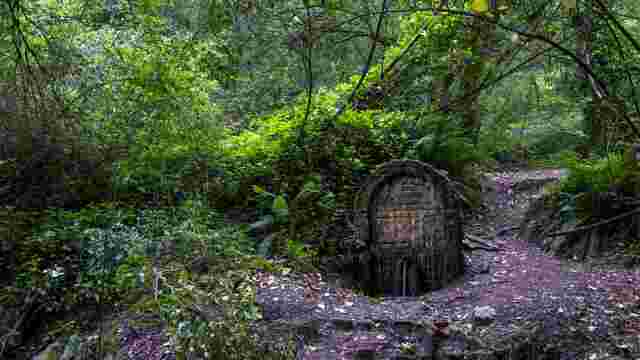
Spring of Sant Vicenç del Bosc
This spring is documented as far back as the 10th century. The front is made of stone and crowned with a semi-circular arch. The spring, however, has run dry.