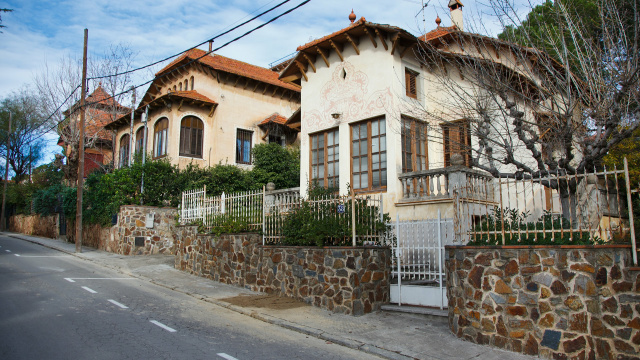
The novecentist summer houses of Valldoreix
Explore classicist and eclectic architecture with unique novecentist houses, charming plazas, and scenic rambles, perfect for a leisurely stroll.
We'll start at the Valldoreix station of the Ferrocarrils de la Generalitat de Catalunya (FGC) railway and head up a flight of stairs that brings us to the church of Sant Cebrià. Once past the church, we'll reach Plaça Can Cadena and continue along Rambla de Mossèn Jacint Verdaguer. Soon, we'll find the first point of interest on this route: the Antoni Caballé house. It's particularly noteworthy because of its noble, classicist forms. We'll continue along the Rambla, if we pay close attention we'll notice several houses in the novecentist style, each with its peculiarities. We'll pass Plaça Pompeu Fabra and continue on to Plaça Mas Roig. Once there, we'll head down Avinguda de Mossèn Jacint Verdaguer and turn right on Passeig de l'Oreneta, which will take us to Plaça dels Ocells. Here we'll see several examples of period houses. Next, we'll follow Avinguda Ramon Escayola, turn left onto Passeig del Rossinyol and right onto Passeig Crisantem. Here we'll find another notable building, Villa Montserrat. It's a good example of eclecticism, with several other unclassifiable elements. When we reach Passeig del Nard, we'll turn left. Here, it's important to stay alert; we're reaching the area with the greatest concentration of novecentist houses. Casa Buenos Aires is particularly noteworthy. We'll turn right onto the Rambla del Jardi. This Rambla is a great place for a stroll, and contains some excellent examples of novecentist houses. We'll then turn right onto Avinguda Joan Borràs, named in honour of one of the promoters of the first urban developments in Valldoreix. We'll turn left and continue on until we reach an interesting group of three unmistakable houses. We'll continue our route down the short and narrow Carrer Assutzena, where we'll find one of the creations of architect Enric Catà. We'll turn left onto Passeig del Rosari and continue on to Rambla del Jardí, where we'll turn right. We'll then continue on until we find Passeig Llesamí, where we'll turn right again. Our third point of interest is located on this street: the Casa de Xocolata or 'Chocolate House', which gets its name from the reddish sandstone used in it. Next, we'll head down Avinguda Joan Borràs and turn left onto Avinguda Ramon Escayola. These were the first two streets built in this urban development. Here, we'll find a group of three spectacular houses, the first of which is our final point of interest. The Bartomeu Pujol house is extremely well-preserved. The roof is especially noteworthy; the interplay of roof forms, all supported by wooden corbels, highlights the volumetric composition of the building. We'll continue along Avinguda Alcalde Ramon Escayola until we reach Passeig de Rubí, where we'll turn right. Here, we'll find some additional novecentist style houses. This street will take us back to our starting point, the FGC station of Valldoreix.
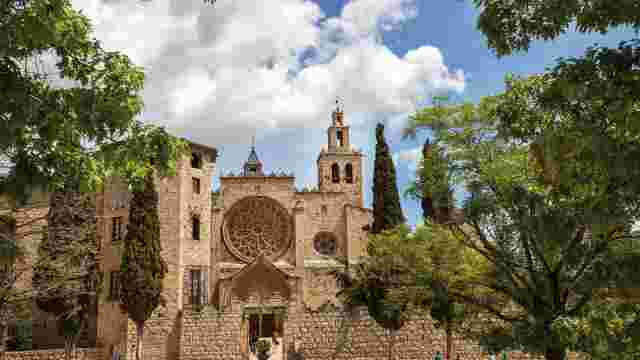
MONASTERY OF SANT CUGAT
A stunning medieval site in Catalonia, featuring a Romanesque cloister with 144 unique capitals and a church showcasing Romanesque to Gothic transition.
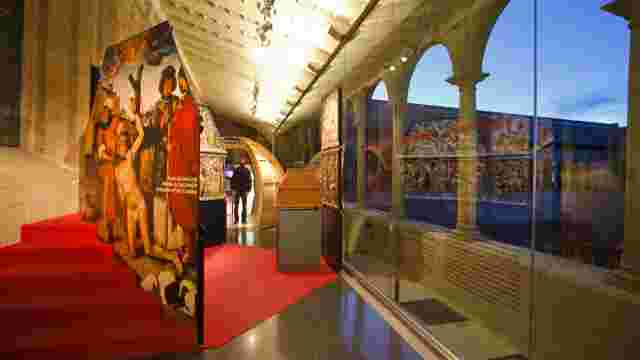
Monastery museum
Explore interactive exhibits showcasing Benedictine life, medieval splendor, and its decline through models, touch screens, and audiovisuals.
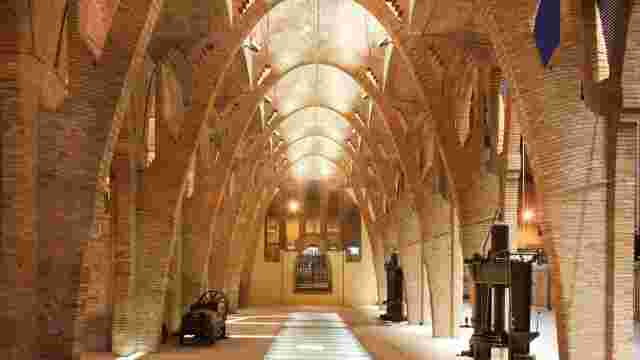
Modernist Wine Cellar
Explore a unique architectural gem showcasing wine history, production, and the genius of architect Cèsar Martinell.
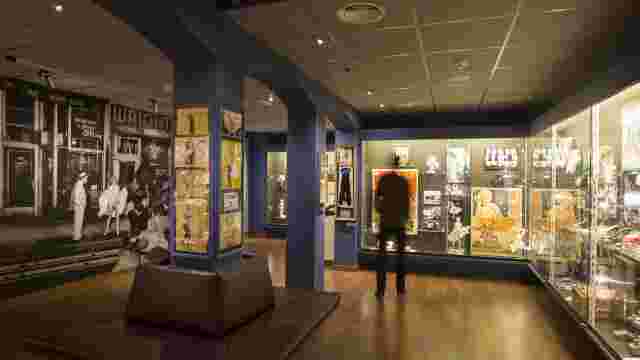
Cal Gerrer – House Museum. Marilyn Monroe
Explore Marilyn Monroe's life through personal items, film recreations, and Europe's largest library on her, plus art and ceramics from local families.
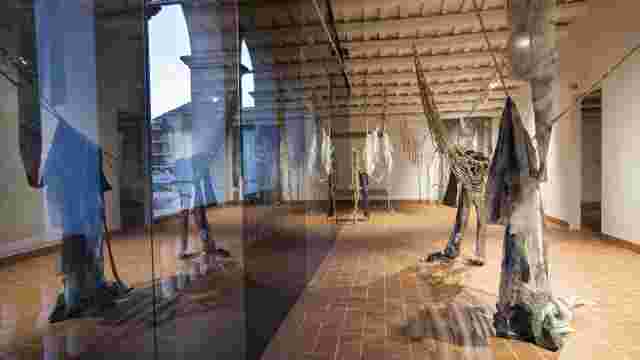
Grau-Garriga contemporary textile art center. Cal Quitèria
Spain's first contemporary textile art hub showcases dynamic exhibits and offers workshops and creative residencies for immersive cultural experiences.
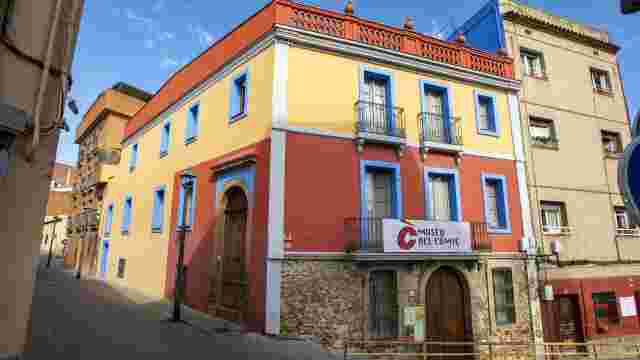
Museum of Comics and Illustration of Sant Cugat
Explore the evolution of comics through original works in a historic mid-19th century building, showcasing 135 years of graphic narrative.
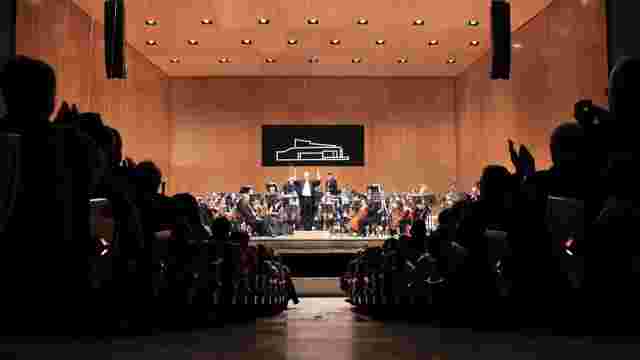
Theatre-Auditorium Emma Vilarasau Sant Cugat
Explore a 12th-century defense tower with medieval features and legendary escape tunnels. Enjoy guided tours on weekends.
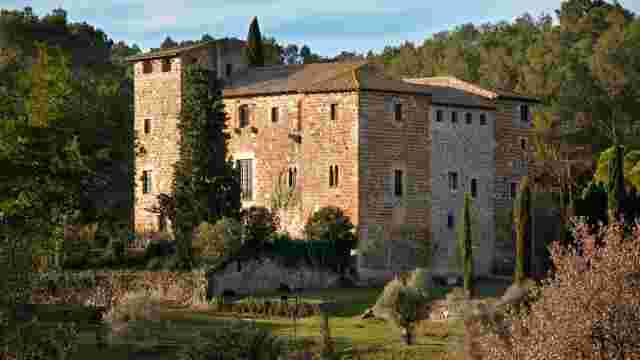
Torre Negra
Explore a 12th-century defense tower with medieval windows and a semicircular gate. Discover legendary escape mines on weekend guided tours.
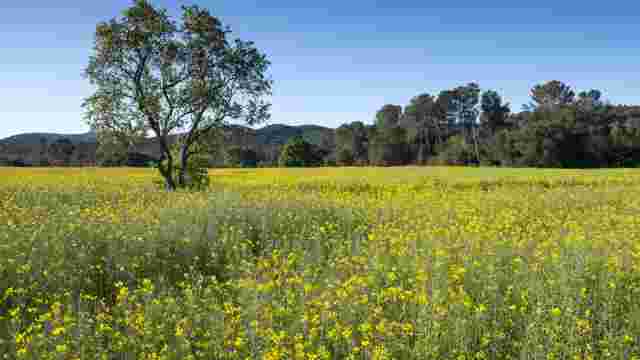
COLLSEROLA NATURAL PARK
A vast park ideal for walking, cycling, and horse riding, featuring protected reserves and part of the Natura 2000 network. Respect its fragile ecosystem.
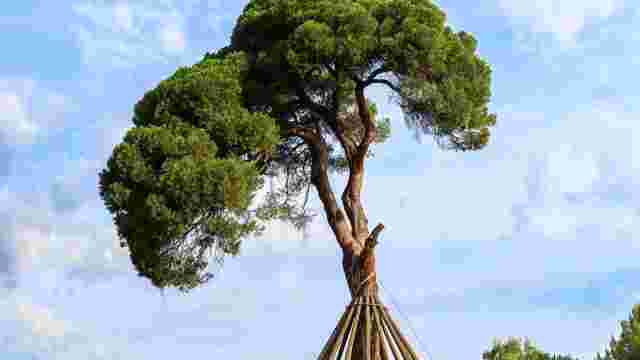
Pi d’en Xandri
The Pi d’en Xandri is considered another of the symbols of the city. It is a pine tree over 250 years old and 23 metres high.
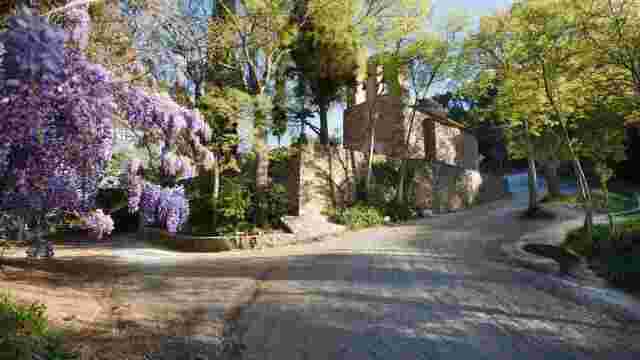
Sant Medir Shrine
A 10th-century Romanesque shrine nestled in a lush holm-oak wood, offering traditional Catalan festivities with dances, human towers, and a celebratory meal.
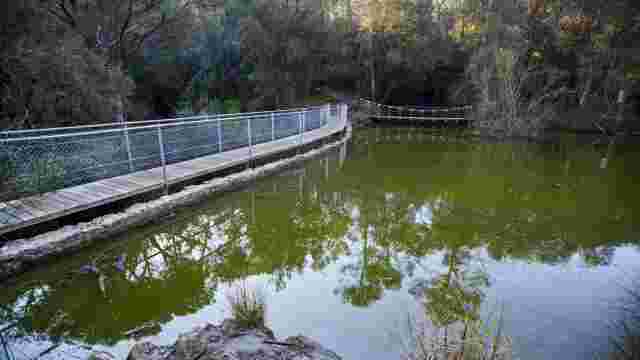
Can Borrell Reservoir
A scenic, easy walk leads to a small, early 20th-century reservoir, perfect for a tranquil nature experience.
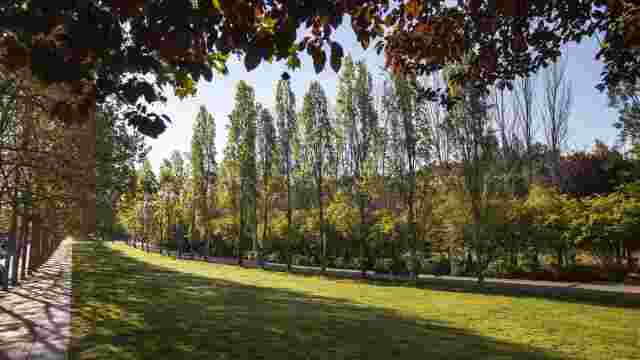
Central Park
A vast green space with a stream, paths for walking and cycling, sports courts, lawns for activities, and a children's play area.
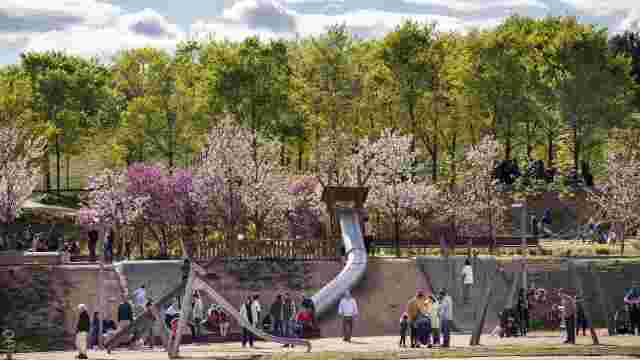
Turó de Can Mates Park
The city's largest park offers stunning views and features giant slides for children, surrounded by holm oaks and Mediterranean shrubs.
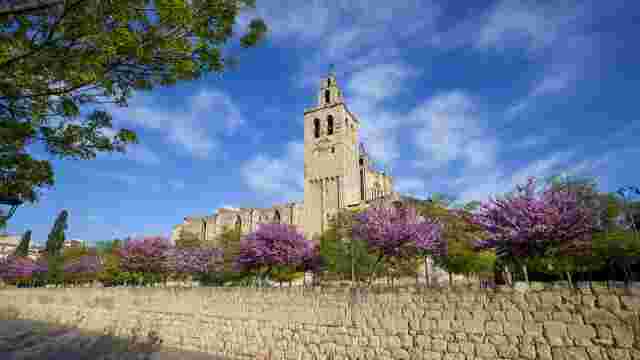
Monastery Gardens
A vibrant hub with panoramic views, nearby gardens host leisure activities, offering a lively meeting spot for tourists.
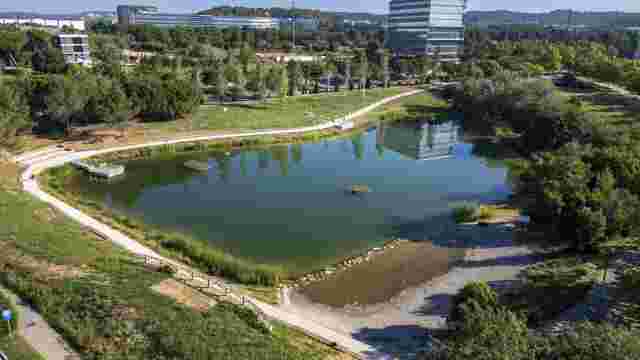
La Guinardera Lake
Ideal for nature lovers, this spot offers birdwatching, fishing, and serene walks or cycling through pine-lined paths.
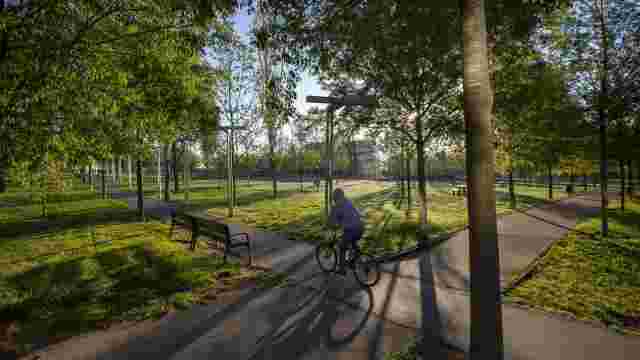
La Pollancreda Park
This spacious park features poplars, a stream with bridges, a large play area, and facilities for cycling, ball games, petanque, and skating.
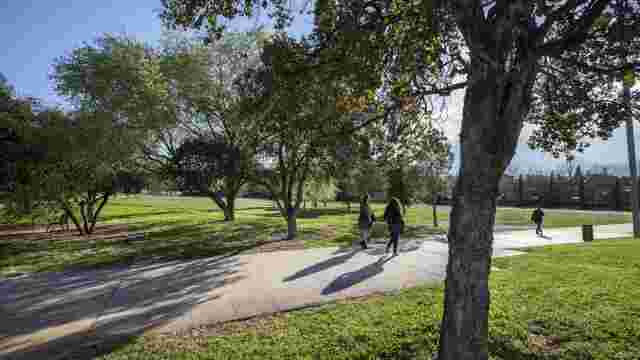
Arborètum Park
A scenic path leads to a park showcasing diverse Catalan trees, from lowlands to Pyrenees, and includes a children's play area.
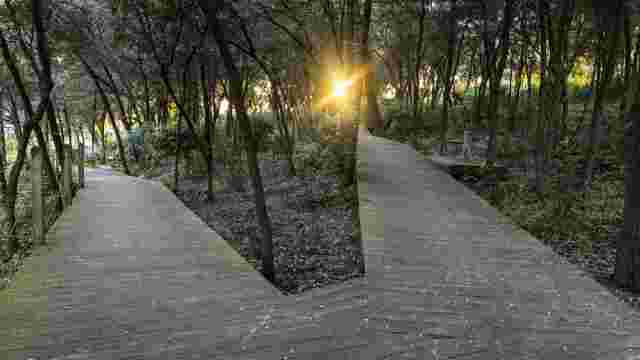
Garden, forest and fountain of Can Gatxet
A natural setting featuring Mediterranean vegetation, a historic fountain, a pond and old footpaths. Ideal for peaceful walks and children’s activities.
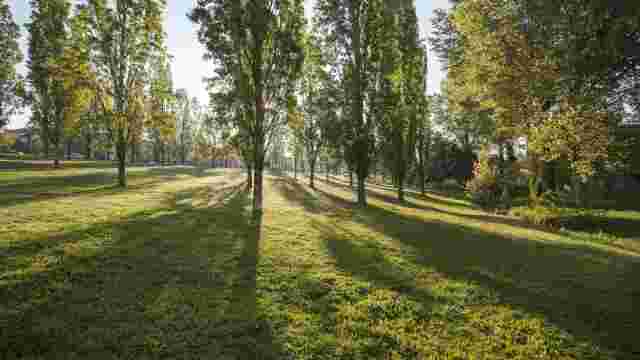
Volpellères River Green Axis – Can Vernet Park
A medieval bridge, children's play area, and colored cycling lanes highlight this park, surrounded by tall riverbank trees due to the stream's humidity.
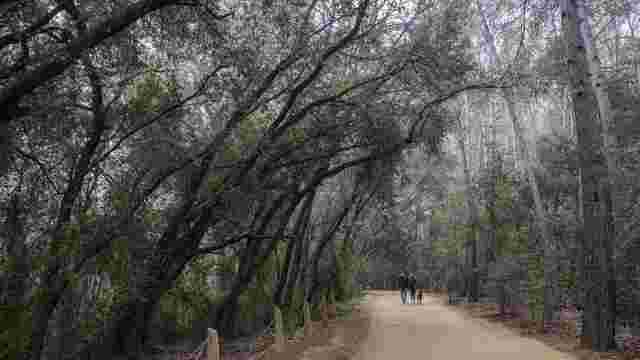
Volpelleres Forest
A natural area in Sant Cugat featuring Mediterranean flora and walking trails, ideal for recreational and sporting activities for all ages.
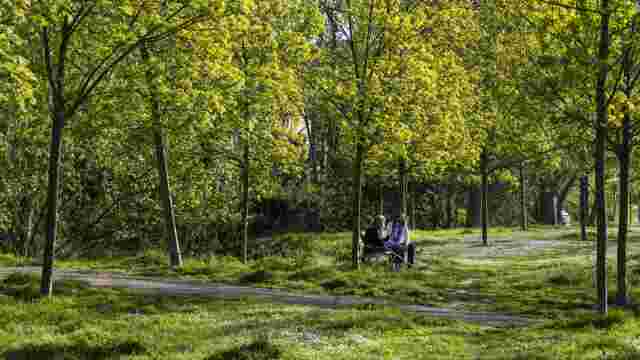
Can Cabassa Park
A green corridor featuring play areas, meadows and places to rest.
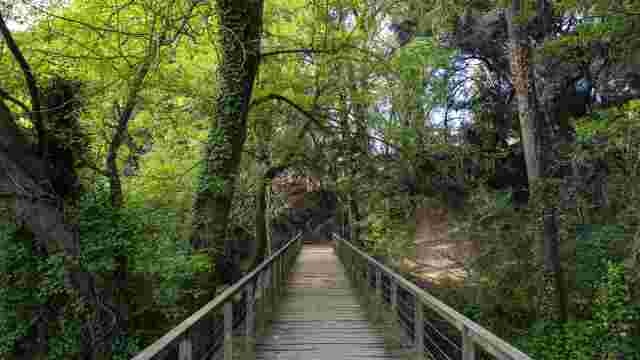
Torrent de Ferrussons Park
Situated at the highest point of Coll Favà, it offers stunning views and a natural setting with shaded paths, ideal for outdoor activities.
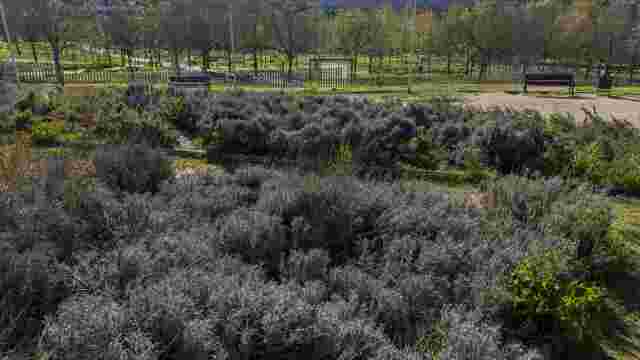
Gardens of the Vallès
A space with terraces and views of the Sierra de Collserola, ideal for leisure activities. Highlights include the scented garden and an amphitheatre for events.
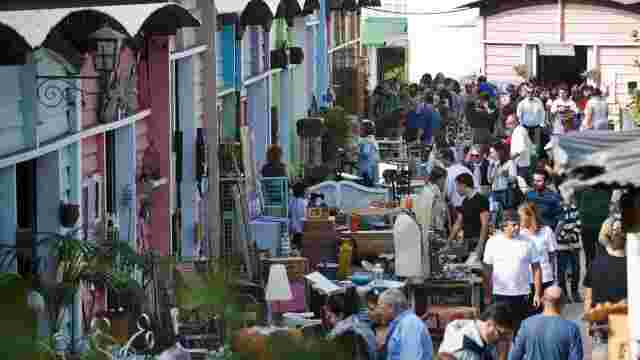
Mercantic
A vibrant market village with antique dealers, colorful shops, live music, Spain's largest second-hand bookshop, art workshops, and diverse food options.
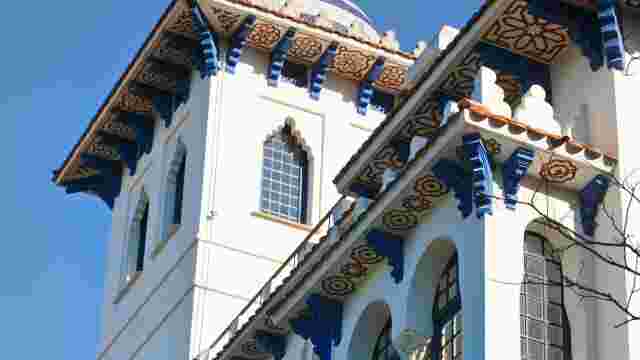
MODERNISM AMONGST SINGULAR TREES
A walk throughwalk through Sant Cugat’s modernism
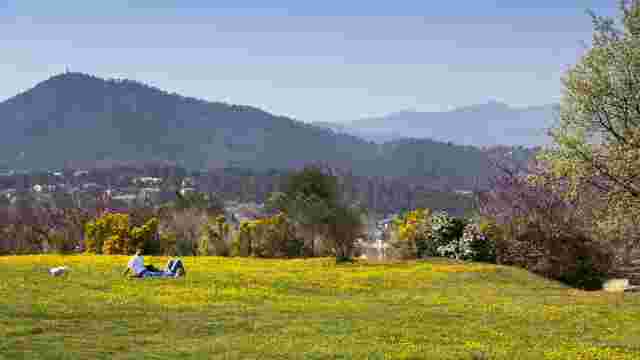
ROUTE THROUGH CENTRAL PARK AND CAN MATES HILL PARK
Around the greenbelt of Sant Cugat
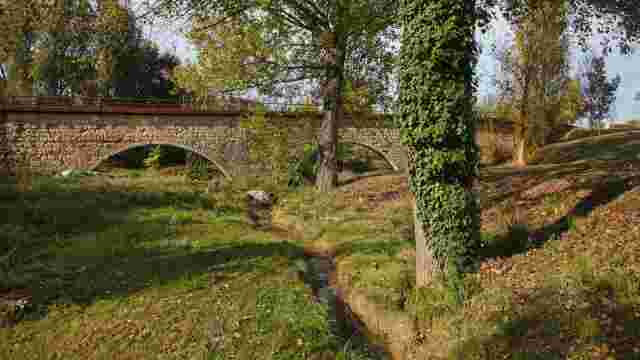
A walk through Sant Cugat’s green spaces
Sant Cugat, “green” city.
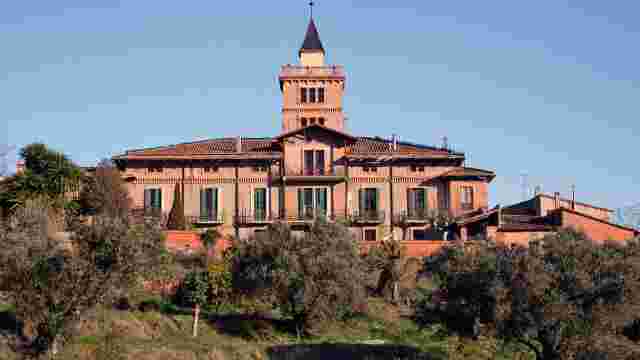
Climbing Puig Madrona
Western vantage point of the Collserola massif.
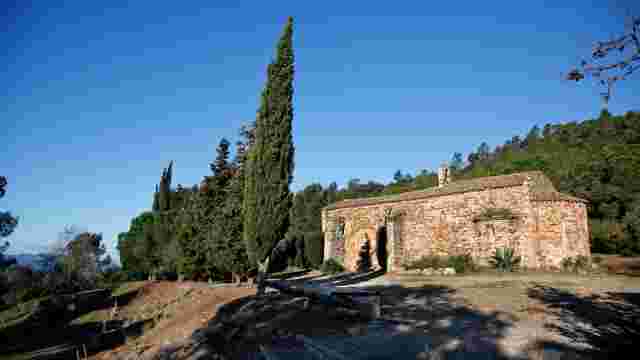
Walk to Puig Madrona (from Valldoreix)
A short but intense climb that rewards you with an exceptional panoramic view of Vallès and the Collserola mountain range.
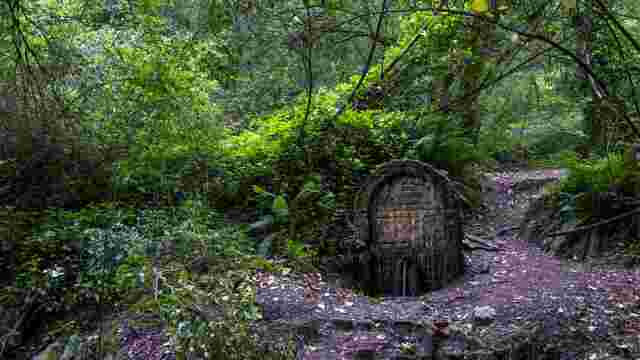
Walk to the Ermetà Spring
One of the most emblematic springs in Collserola Park, located near the Torre Negra (Black Tower) and surrounded by native vegetation.
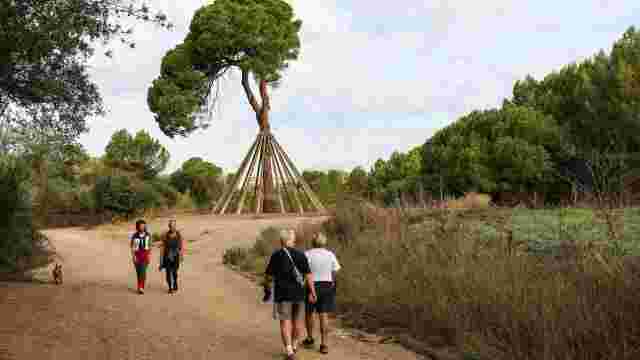
Pi d'en Xandri
The Pi d’en Xandri is one of the oldest pines in Catalonia.
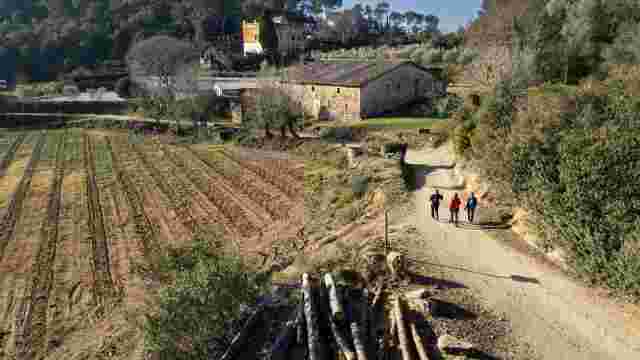
Walk to the Sierra de Can Bell and the Torrente de Can Gordi
A refreshing and pleasant walk through forests and streams with typical Collserola landscapes. Circular route.
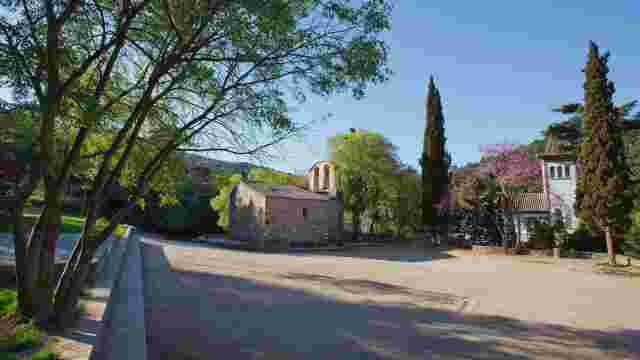
From Sant Cugat del Vallès to Sant Medir
Follow a section of the GR 6 trail along the Sant Medir stream.
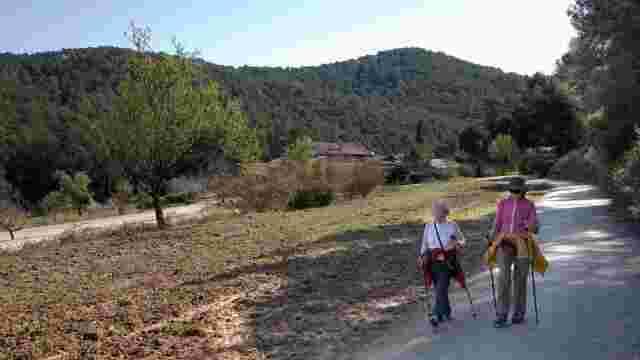
From Sant Cugat del Vallès to the Gausac Valley or Sant Medir
Ideal for families, with shade and pleasant views.
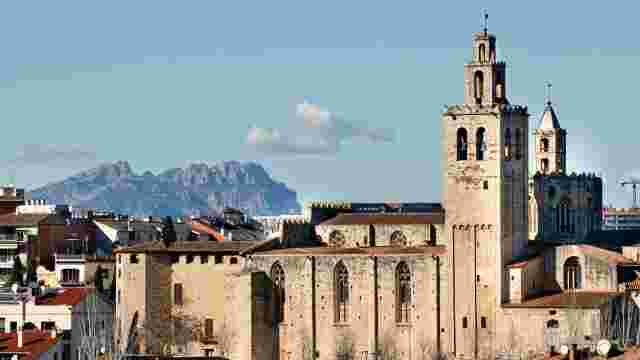
GR 6 Montserrat Trail. From Barcelona to the Monastery of Montserrat
A route that starts in the Horta labyrinth (Barcelona) and goes through Collserola, Vallès and Llobregat until reaching Montserrat.
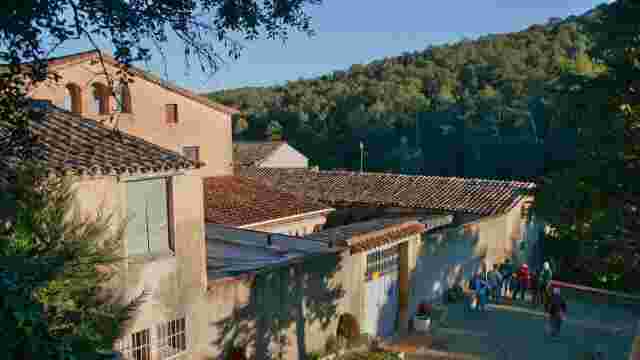
From Sant Cugat to Can Borrell
Explore scenic trails, historic ruins, and natural springs, culminating at a charming farmhouse, offering a picturesque hiking experience.
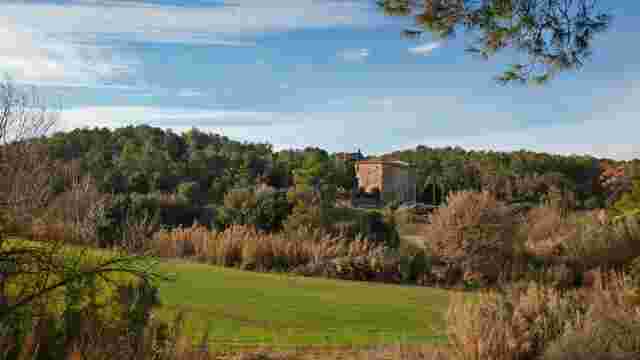
Font de l’Ermetà and Torre Negra
Explore scenic trails with historic landmarks, dry brooks, and a famous pine, offering a serene hiking experience near Sant Cugat.
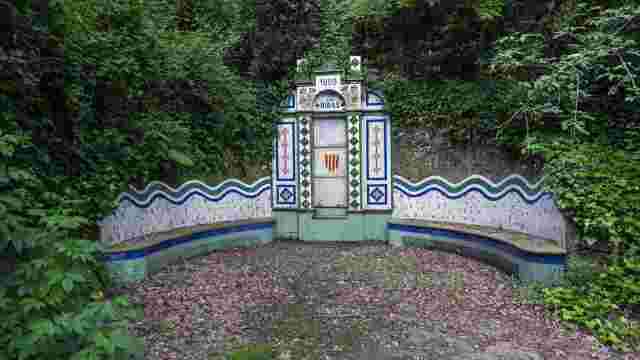
Springs of Ribes and la Rabassada
Discover scenic paths, historic viaducts, and serene springs, ideal for nature lovers and hikers seeking tranquility and picturesque views.
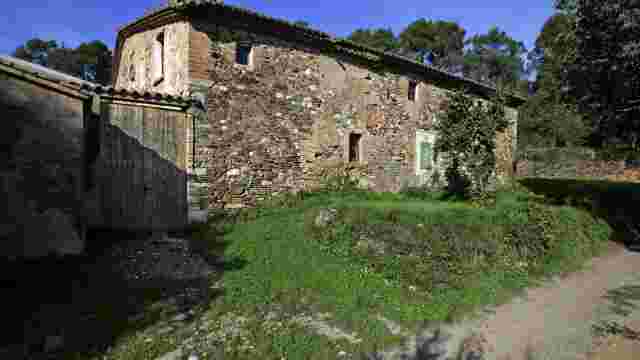
Valleys of Can Bell and Can Gordi
Explore scenic trails with large oaks, serene brooks, and historic ruins, including a spring and an ancient church, perfect for nature and history enthusiasts.
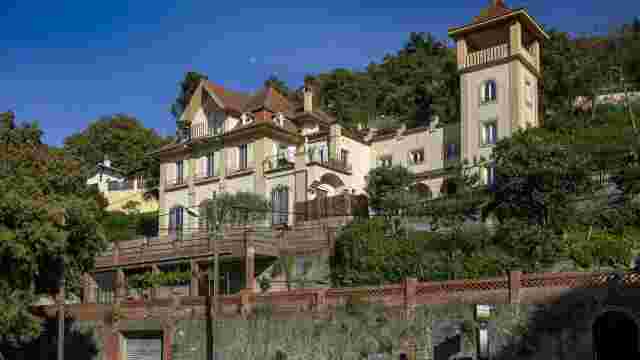
La Floresta – Rabassalet
Explore scenic routes, historic villas, and vibrant squares, perfect for a picturesque journey through charming landscapes and cultural landmarks.
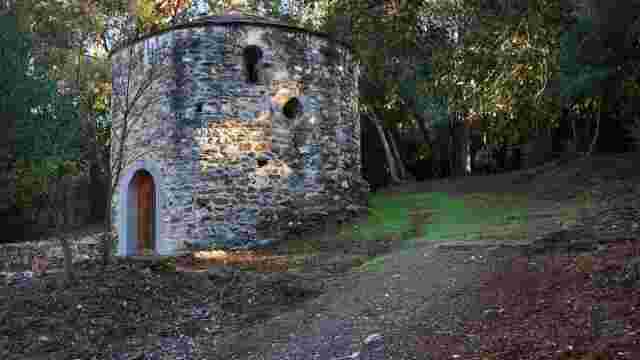
The pond of Can Borell and Sant Adjutori
Explore scenic paths, a historic hermitage, and an ancient kiln, offering a blend of nature and history for tourists.
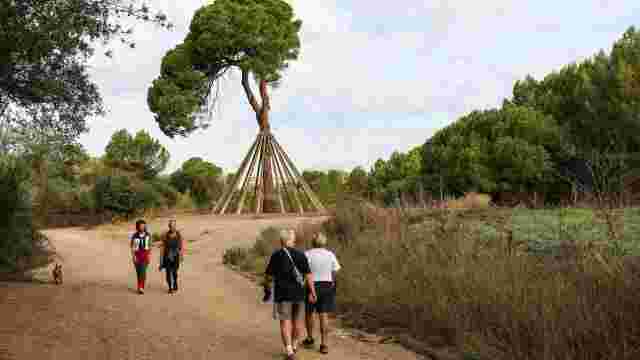
Sant Cugat via Can Borell
Explore scenic trails, historic sites like Torre Negra, and enjoy nature's beauty with stops for refreshment along the way. Ideal for hiking enthusiasts.
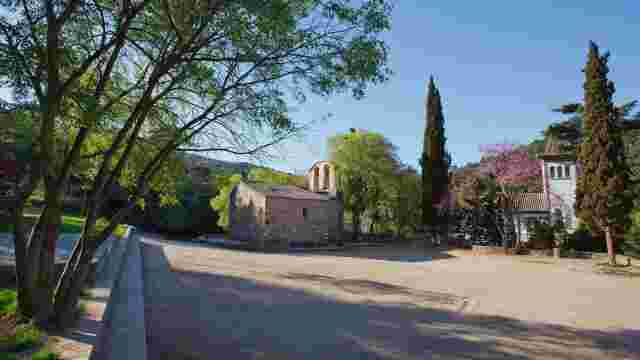
Sant Cugat-Baixador de Vallvidrera
Explore scenic trails, historic sites like Torre Negra, and lush nature, ending at a convenient railway station near Parc de Collserola.
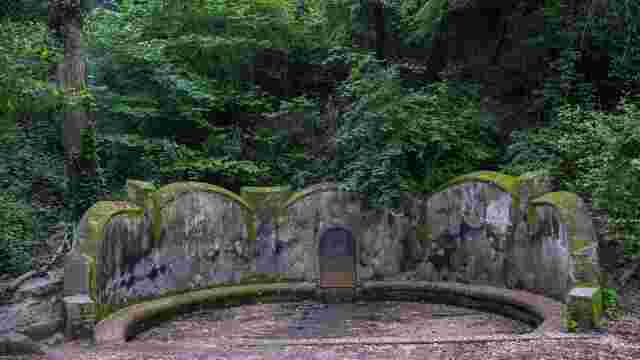
Font Groga
Explore scenic trails, hidden springs, and a nature reserve with diverse flora and fauna, ideal for hiking and nature enthusiasts.
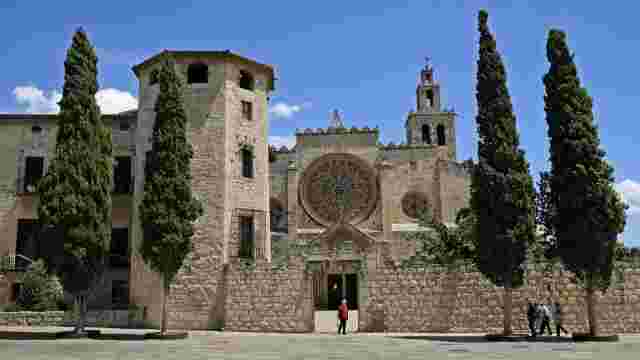
Way of Saint James
A historic pilgrimage route with scenic trails, medieval landmarks, and nature parks, offering a spiritual and cultural journey through picturesque landscapes.
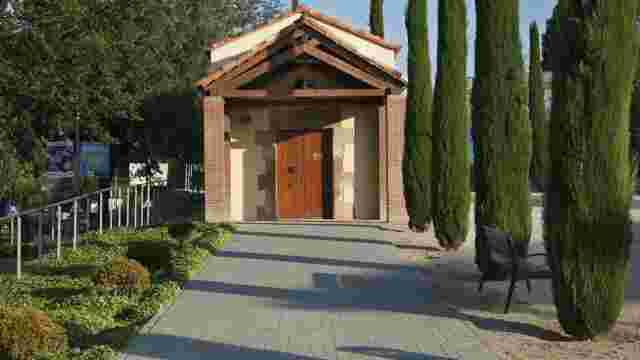
Monks’ path
The path offers a scenic 25 km hike, showcasing Romanesque and Gothic monasteries, and climbs from 100 to 1,050 meters, ending at a stunning mountain peak.
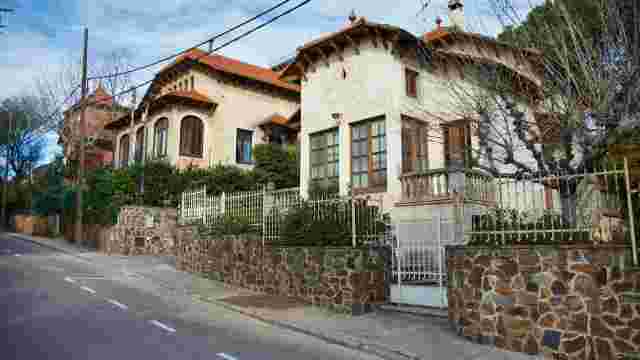
The novecentist summer houses of Valldoreix
Explore classicist and eclectic architecture with unique novecentist houses, charming plazas, and scenic rambles, perfect for a leisurely stroll.
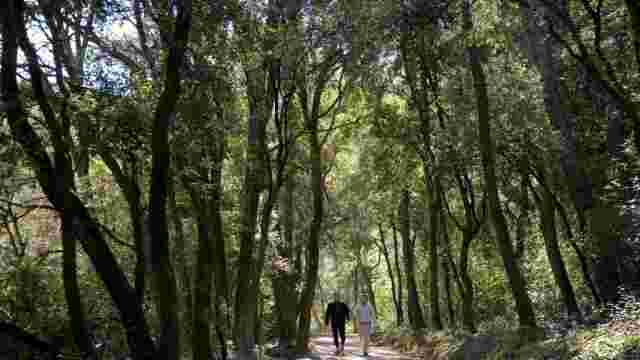
The Ignatian Way
Historic pilgrimage route featuring scenic stops in Terrassa, Sant Quirze del Vallès, and Sant Cugat, with a detour to Montserrat.
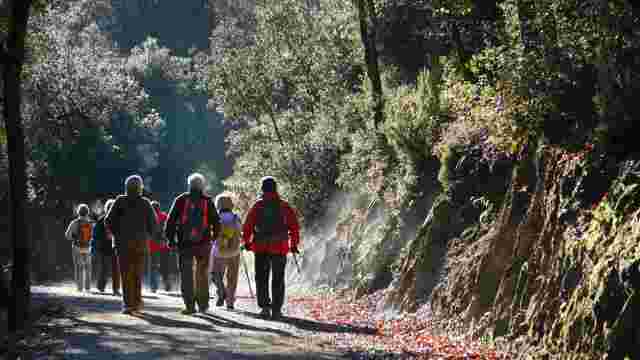
PR C-38, Sant Cugat to Barcelona
Short path from Sant Cugat to Vista Rica (Horta-Guinardó, Barcelona). Signposted with white and yellow marks.
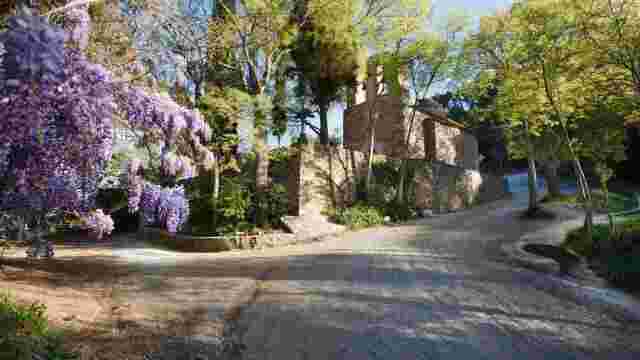
Sant Medir pel pantà de Can Borrell
Sant Medir pel pantà de Can Borrell
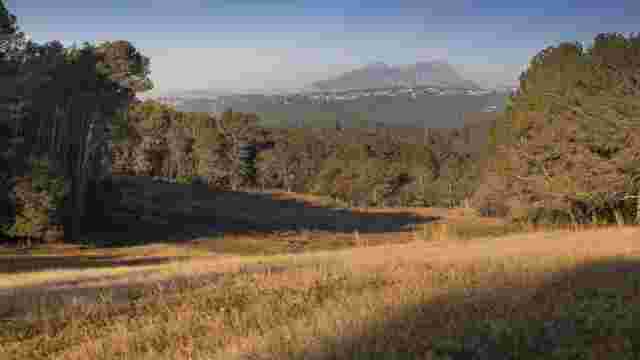
Turó de Can Camps
Turó de Can Camps
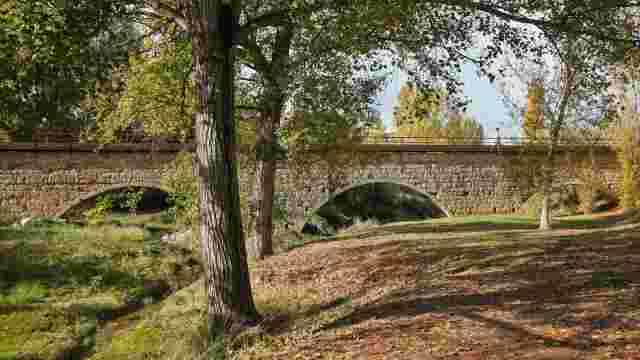
Can Vernet aqueduct
A 14th-century Gothic aqueduct, set in a scenic park, offers a glimpse into historical water transport to a monastery and village.
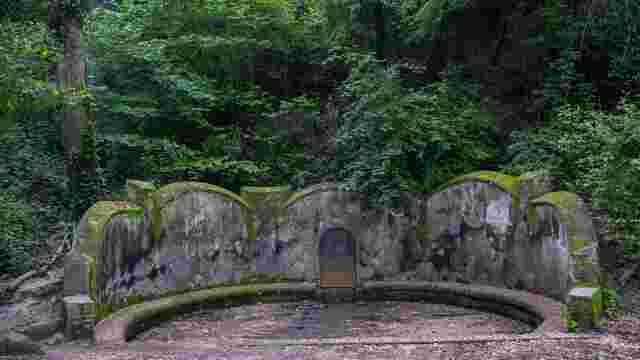
Font Groga
A nature reserve with dense, humid forests of holm oak and oak, offering ecological richness and special protection.
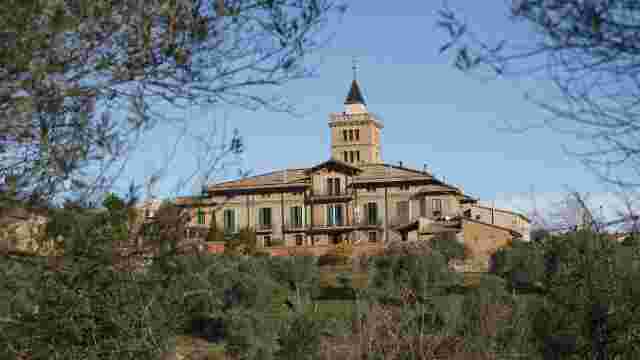
Can Monmany
Nestled by Puig Madrona, this historic site features a clock tower, chapel, and defense turrets, offering a glimpse into its late 19th-century splendor.