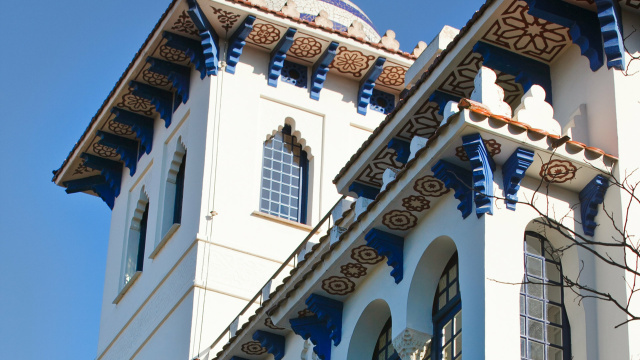
MODERNISM AMONGST SINGULAR TREES
A walk throughwalk through Sant Cugat’s modernism
The city of Sant Cugat del Vallés, which would become a city in 1978, had until the middle of the 20th century a fundamental activitiesy in agriculture, and especially in thewithin vineyard sector, cultivation developed significantly after the French War and, above all, when the Gracia roadGràcia’s Road was opened in 1877, which favored trade with Barcelona and brought Sant Cugat out of its isolation.
In 1888, however, with the appearance of phylloxera, economic growth suffered a severe shock. This fact is attributed to the stagnation of construction activity and the absence of a local rural bourgeoisie with a sufficiently healthy economy to give a modernizing impulse to the town, parallel to the one that had been launched established in other towns. This fact did not allow the construction of large buildings or the appearance of an indigenous artistic nucleus. The modernism that had exploded in Barcelona between 1888 and 1900 arrived toin Sant Cugat later, taking about 10 years to be introduced.
However, Sant Cugat experienced urban growth as a result of improved communications with Barcelona and the arrival of vacationers, becoming the initial framework of modernist architecture in the town. The devaluation of the land and the proximity to the capital stimulated some Barcelonians to make investments in order to promote seasonal tourism that would raise, both in the area closest to the town and on the slopes of of the Collserola’s mountain range, Torres from summerbig summer houses.
The GraciaGràcia’s road became a two-way road, that is to say, well-off Barcelona families are beginning to arrive toat the town to spend their holidays. FirstFirst, they occupied empty houses, due to the emigration caused by phylloxera, aton Sabadell streetSabadell Street, andon Carmen street. The farmers of the town had abandoned the lands and had gone to look for work in Barcelona, which at that time needed labor for the port’s construction and the “Eixample”.of the port and the Ensanche.
In 1879 the City Council approved the urbanization of Pla del Vinyet (South “EnsancheEixample”), an orthogonal plot that has no continuity with that of the old town and that means that newcomers do not have much relationship with the town. The Ensanche “Eixample” is built on the abandoned vineyards, to welcome the incipient local bourgeoisie and attract new vacationers. It was an urbanization beyond the stream that left an empty space between the new neighborhood and the old town.
In principleEssentially, the vacationers found a villa in very precarious conditions: unpaved and narrow streets, insufficient acetylene gas lighting, lack of sewerage, lack of public laundries, poor services, modest housing, the unhygienic location of the municipal cemetery, basically,and no the usual comforts of the city. However, the city was slowly modernizing.
The buildings built in the town during the early modernism were promoted by townspeople, rich peasants, who abandoned the traditional rural model and who opted for established aesthetics, without modern innovations.
The urbanization of the Arrabassada will begin begun in 1896 and wouldill lead to the construction of secondary housesmes. At the beginning of the 20th century, a second wave of vacationers arriveds. Sant Cugat is beginning to be considered an ideal place: a peasant village presided over by the monastery, a space without industry norand healthy, near the forest. It fits perfectly with hygienic ideals. The municipality supported the construction wave of a residential and non-industrial type plan..
In 1917 a new train stationge was opened for the railway to arrive toin San CugatSant Cugat. Travel time is then reduced and many vacationers go from being temporarily to the city to live permanently and work in Barcelona. They also urbanize old marginal vineyards, such as La Floresta or Valldoreix.
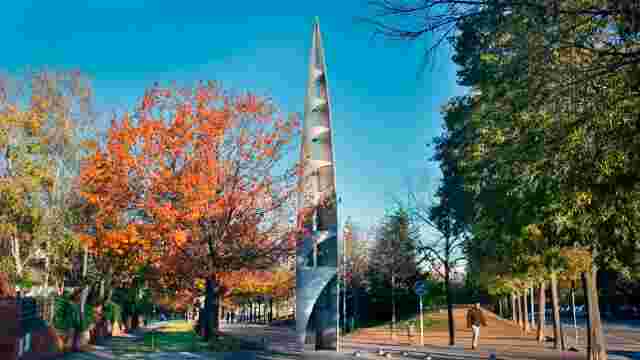
Circular route from FGC Sant Cugat
A circular route in the south of Sant Cugat, starting and finishing at Lluís Millet Square, opposite the 'Sant Cugat Centre' FGC station.
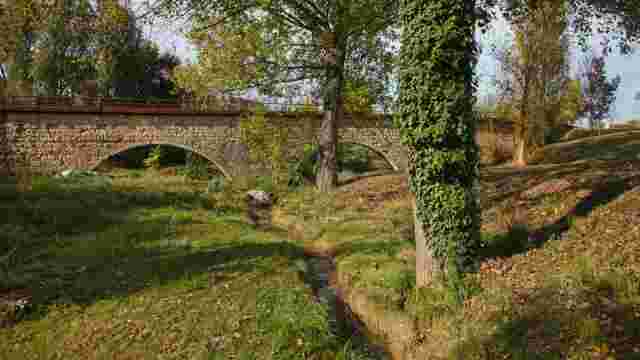
Route from FGC Volpelleres to the Monastery
A linear route between the 'Volpelleres' FGC station and the Sant Cugat Monastery, combining urban sections with bike lanes, parks, and natural areas.
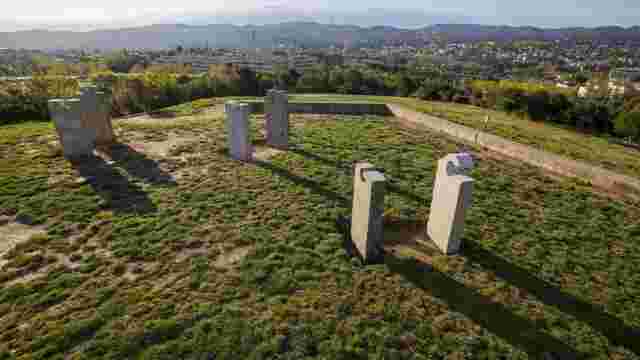
Route from FGC Mira-sol to the Monastery
A linear route between the 'Mira-sol' FGC station and the Sant Cugat Monastery, passing through Turó de Can Mates Park and Parc Central.
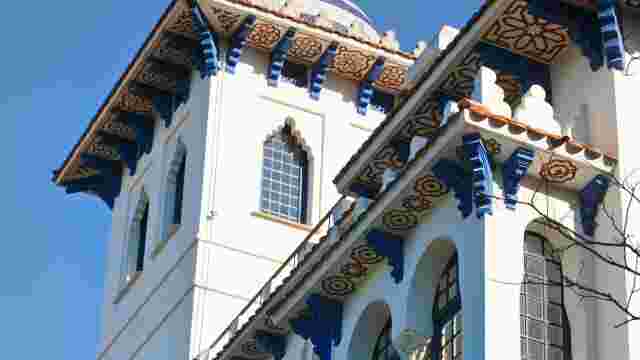
MODERNISM AMONGST SINGULAR TREES
A walk throughwalk through Sant Cugat’s modernism
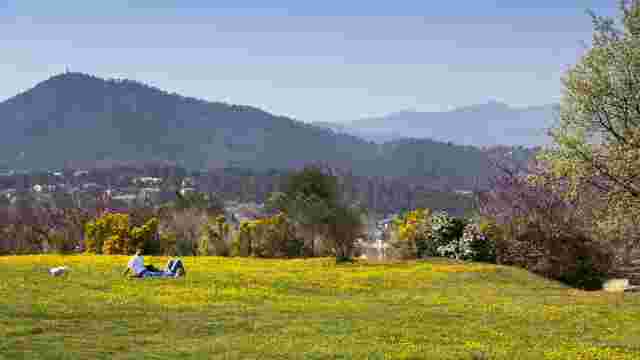
ROUTE THROUGH CENTRAL PARK AND CAN MATES HILL PARK
Around the greenbelt of Sant Cugat
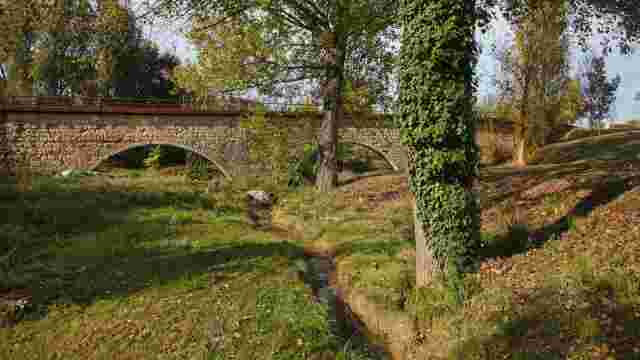
A walk through Sant Cugat’s green spaces
Sant Cugat, “green” city.
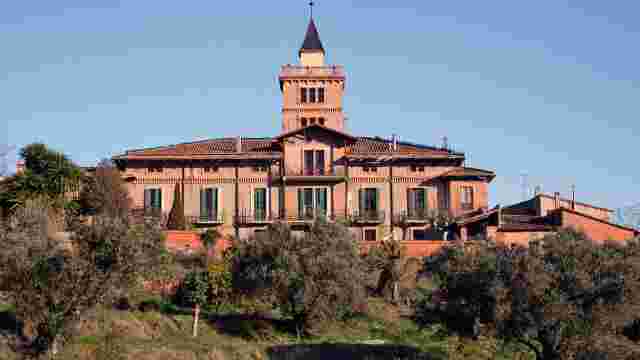
Climbing Puig Madrona
Western vantage point of the Collserola massif.
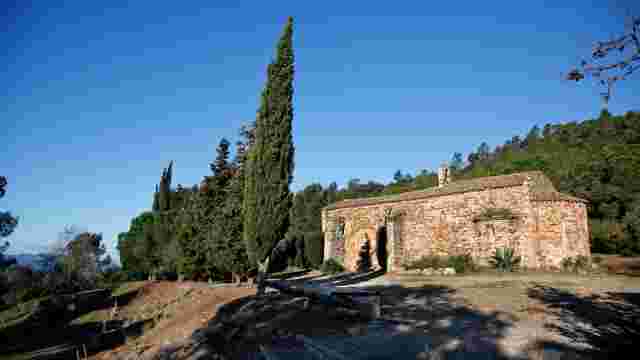
Walk to Puig Madrona (from Valldoreix)
A short but intense climb that rewards you with an exceptional panoramic view of Vallès and the Collserola mountain range.
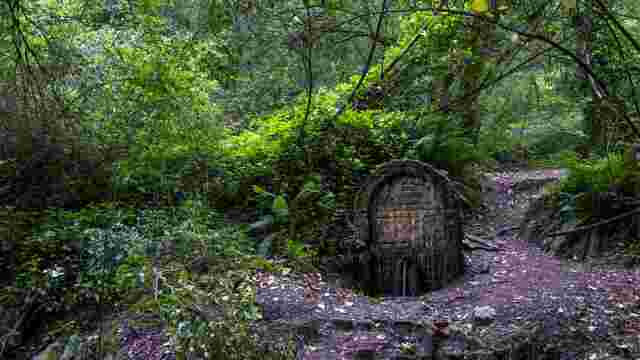
Walk to the Ermetà Spring
One of the most emblematic springs in Collserola Park, located near the Torre Negra (Black Tower) and surrounded by native vegetation.
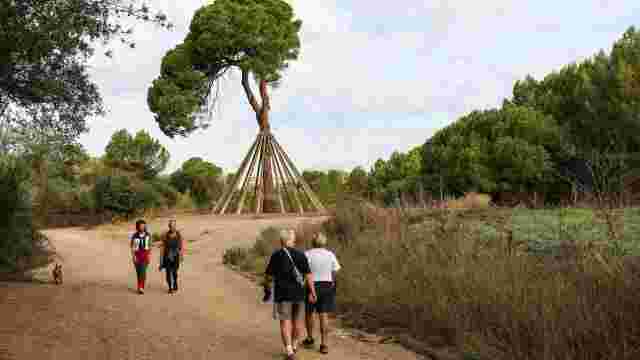
Pi d'en Xandri
The Pi d’en Xandri is one of the oldest pines in Catalonia.
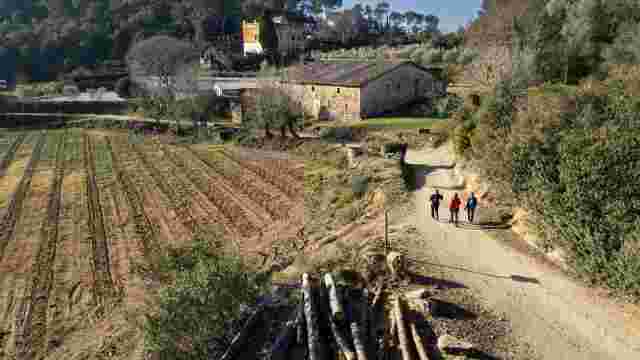
Walk to the Sierra de Can Bell and the Torrente de Can Gordi
A refreshing and pleasant walk through forests and streams with typical Collserola landscapes. Circular route.
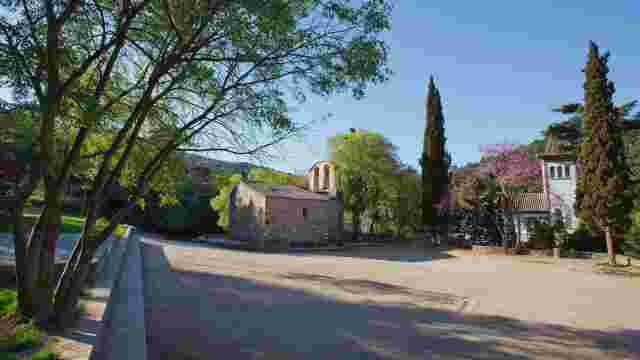
From Sant Cugat del Vallès to Sant Medir
Follow a section of the GR 6 trail along the Sant Medir stream.
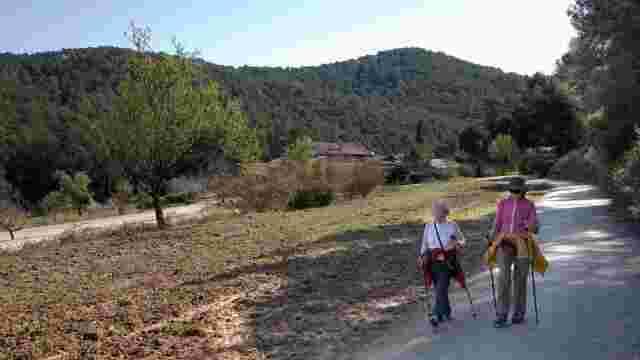
From Sant Cugat del Vallès to the Gausac Valley or Sant Medir
Ideal for families, with shade and pleasant views.
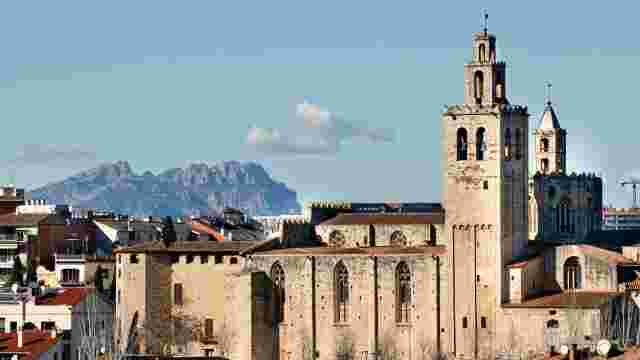
GR 6 Montserrat Trail. From Barcelona to the Monastery of Montserrat
A route that starts in the Horta labyrinth (Barcelona) and goes through Collserola, Vallès and Llobregat until reaching Montserrat.
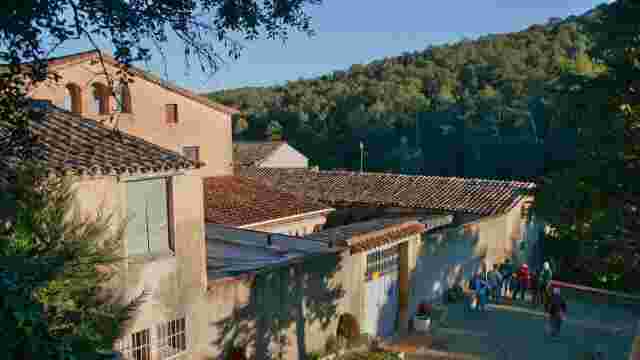
From Sant Cugat to Can Borrell
Explore scenic trails, historic ruins, and natural springs, culminating at a charming farmhouse, offering a picturesque hiking experience.
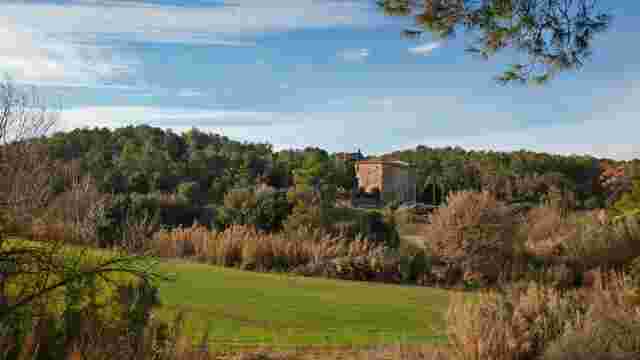
Font de l’Ermetà and Torre Negra
Explore scenic trails with historic landmarks, dry brooks, and a famous pine, offering a serene hiking experience near Sant Cugat.
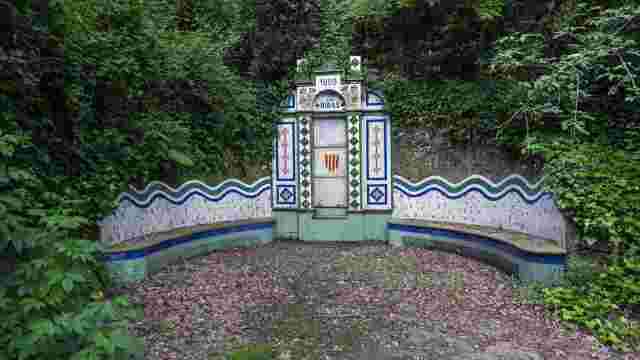
Springs of Ribes and la Rabassada
Discover scenic paths, historic viaducts, and serene springs, ideal for nature lovers and hikers seeking tranquility and picturesque views.
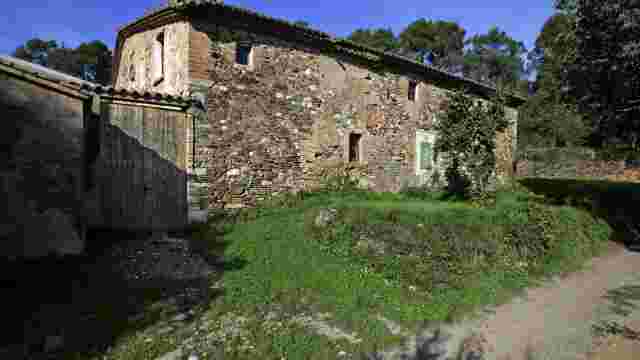
Valleys of Can Bell and Can Gordi
Explore scenic trails with large oaks, serene brooks, and historic ruins, including a spring and an ancient church, perfect for nature and history enthusiasts.
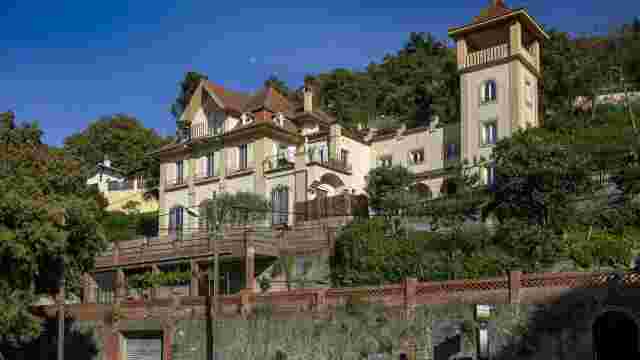
La Floresta – Rabassalet
Explore scenic routes, historic villas, and vibrant squares, perfect for a picturesque journey through charming landscapes and cultural landmarks.
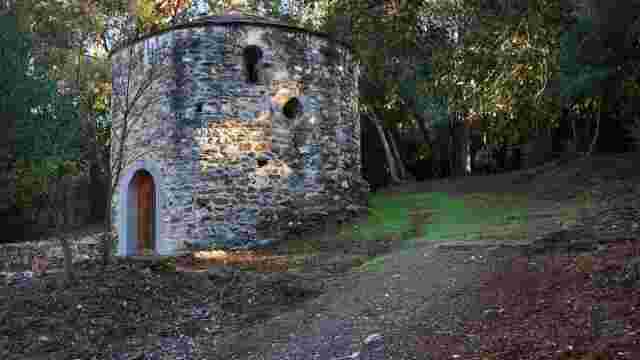
The pond of Can Borell and Sant Adjutori
Explore scenic paths, a historic hermitage, and an ancient kiln, offering a blend of nature and history for tourists.
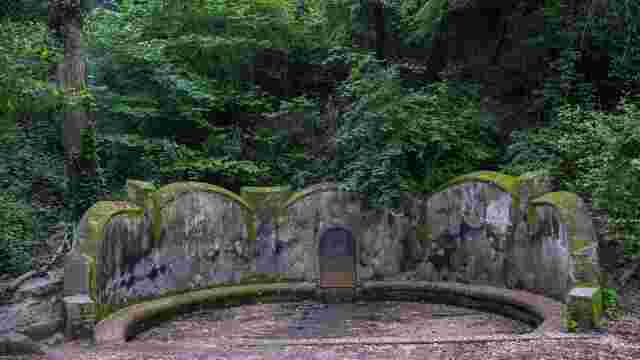
Font Groga
Explore scenic trails, hidden springs, and a nature reserve with diverse flora and fauna, ideal for hiking and nature enthusiasts.
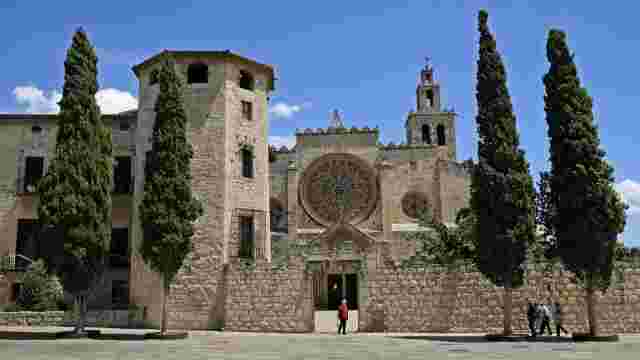
Way of Saint James
A historic pilgrimage route with scenic trails, medieval landmarks, and nature parks, offering a spiritual and cultural journey through picturesque landscapes.
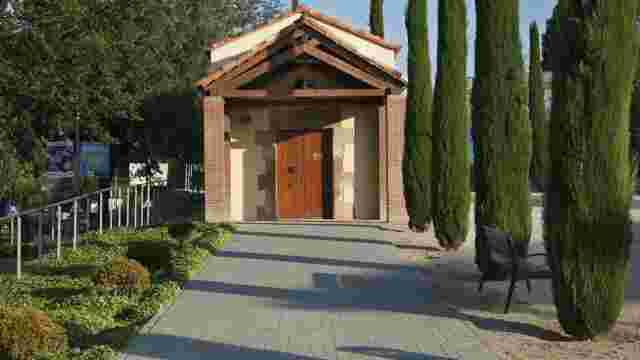
Monks’ path
The path offers a scenic 25 km hike, showcasing Romanesque and Gothic monasteries, and climbs from 100 to 1,050 meters, ending at a stunning mountain peak.
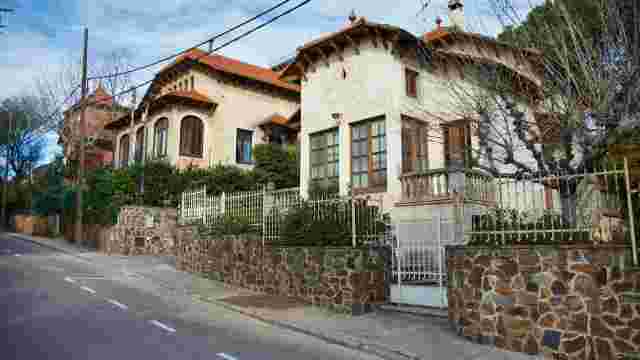
The novecentist summer houses of Valldoreix
Explore classicist and eclectic architecture with unique novecentist houses, charming plazas, and scenic rambles, perfect for a leisurely stroll.
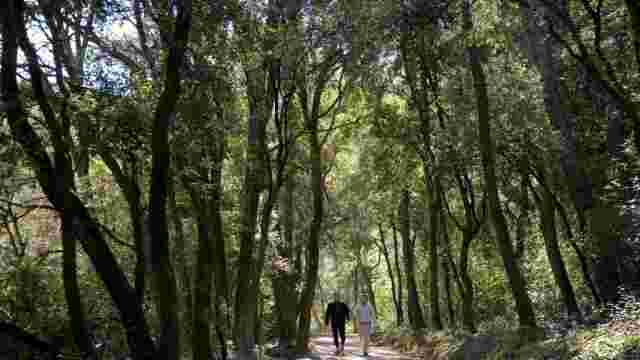
The Ignatian Way
Historic pilgrimage route featuring scenic stops in Terrassa, Sant Quirze del Vallès, and Sant Cugat, with a detour to Montserrat.
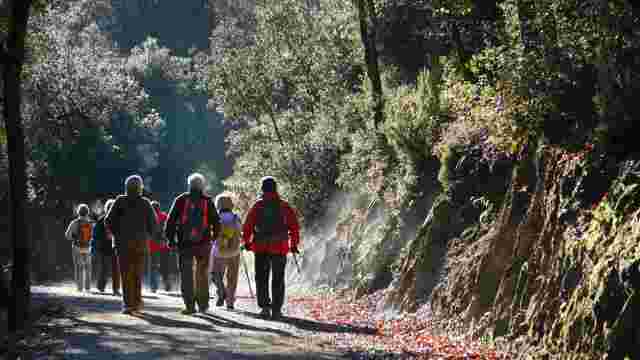
PR C-38, Sant Cugat to Barcelona
Short path from Sant Cugat to Vista Rica (Horta-Guinardó, Barcelona). Signposted with white and yellow marks.
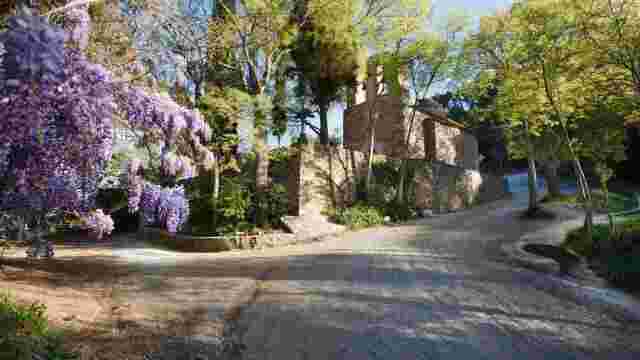
Sant Medir pel pantà de Can Borrell
Sant Medir pel pantà de Can Borrell
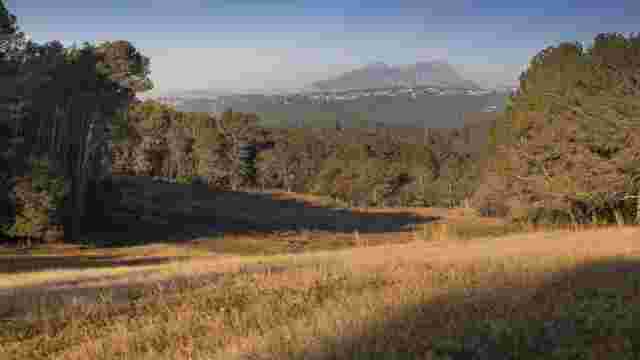
Turó de Can Camps
Turó de Can Camps
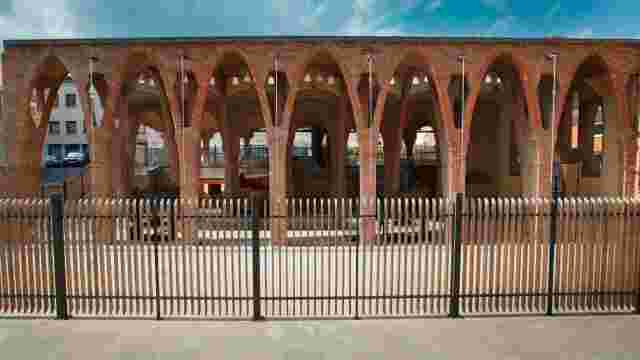
Red Route – Modernism
An urban, footpath and circular route to discover Sant Cugat’s most iconic Modernist buildings.
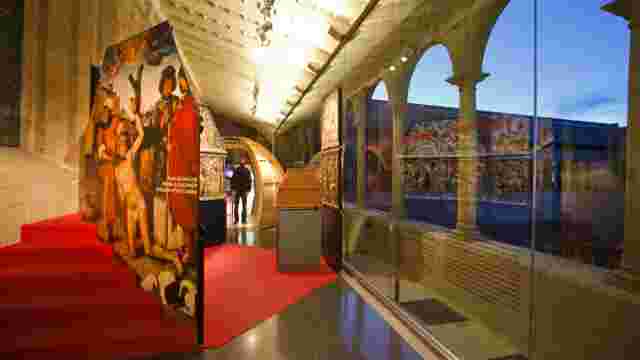
Orange Route – The Museums
A simple, circular urban route to discover the main museums and cultural spaces of Sant Cugat.
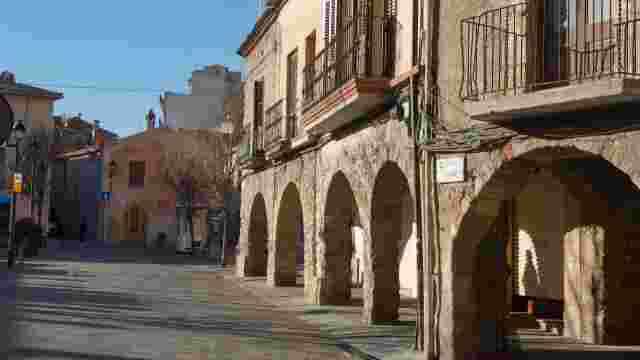
Purple Route – Journey to the Past
A simple, circular urban route to discover the most emblematic historic and heritage sites of Sant Cugat.
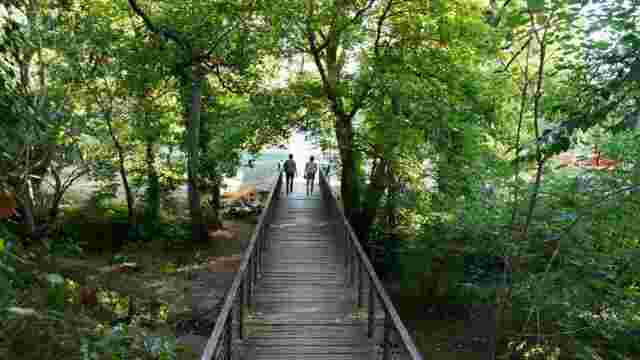
Turquoise Route – The Green Places
A circular route through the green spaces of Sant Cugat, combining urban parks, wooded areas, viewpoints and some of the city's most emblematic natural spots.
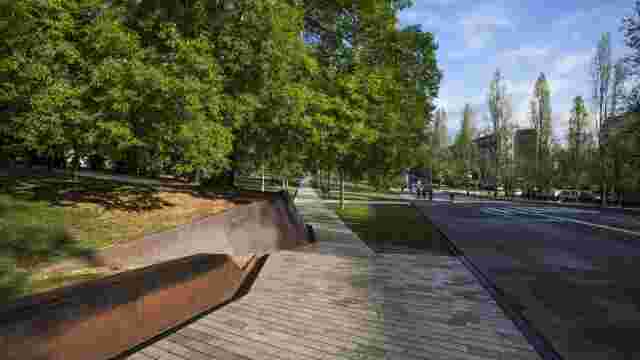
Blue Route – The Marathon
A long circular route to discover the historic heritage, museums, modernist architecture and most emblematic green spaces of Sant Cugat.